Vyaghata Nitya Yoga

Vyaghata Nitya Yoga
| Added by: Astro Editorial Team

Meaning & Definition of Vyaghata Yoga

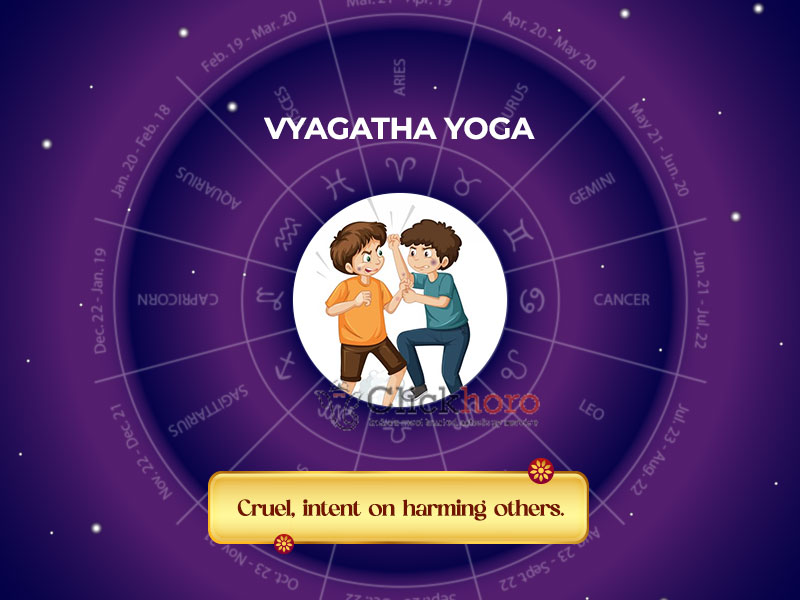
The word "Vyaghat" means to beat others. A cruel personality, hell-bent on harming others. Vyaghat Yoga (व्याघात नित्य योग) is the 13th yoga out of all the 27 yogas. This is not an auspicious yoga and this yoga brings misery, negativity, sadness, illness and misfortune in life if any new work is started on this Muhurta or Yoga. The presiding deity of Vyaghat yoga is Vayu Dev.

Moreover, this yoga is not considered favorable, it can just bring various challenges and obstacles in the life of the person and nothing else. This yoga is formed when any inauspicious planet is placed in the 8th house from the Moon or Lagna, then that planet will bring many negative effects in the life of the native. Whatever be the case, any auspicious work or program started during this yoga will not give the desired results as per your expectation.

Characteristics of Vyaghata Yoga

The native born in this Vyaghat Yoga is miserly, foolish, and cruel by nature. The native is always worried. His wishes may or may not be fulfilled, financial instability, failure in any work throughout life. Vyaghat Yoga highlights reliable obstacles and restrictions in life. People born in this yoga have strong problem-solving abilities and strength to face difficulties. They have immense patience to deal with and fight situations and can overcome obstacles as well as emerge more powerful from challenges.

Occupation for Vyaghata Yoga

Natives born under this yoga are often considered to have a multi-tasking nature and a strong learning ability, making them versatile in many fields. They achieve success through their efforts. A native born under this yoga is a self-made man or woman. They have intellectual abilities, communication skills, a deep grasp of information and analytical skills, such as in education, research or journalism. Sometimes the native is argumentative and may face challenges in leadership or team leadership skills due to their tendency to conflict.

How Vyaghata Yoga is Calculated?

Vyaghata Yoga is not an auspicious yoga. This yoga come in between 160°:00’ to 173°:20’ interval. This is not an auspicious yoga. The yoga is calculated by dividing the sum of the longitudes of the Sun and the Moon by 13 degrees and 20 minutes, the span of one Nakshatra. However, with each division of 13°20' interval representing a specific yoga. The remainder will indicate the current yoga. There is 27 Yogas. Vyaghata Yoga is 13th Nitya Yoga amongst 27 Yogas in Vedic Astrology.

Remedies for Vyaghata Yoga

  • Donate new clothes to the brahmin who is serving in any Vishnu or Shiva temple.
  • Worship Lord Vishnu or Lord Shiva as your wish.
  • Worship goddess Durga, read “Durga Saptasati” or “Devi Mahatmya” or Durga Chalisa will be most beneficial for you.

Frequent Asked Questions(FAQs)

In Vedic Astrology, there are a total of 27 Nakshatras, which are divided into 27 distinct segments. These represent the path of the Moon's orbit around the Earth, known as the Zodiac. Each Nakshatra possesses its own ruling planet, deity, nature, and energy, which influence an individual's personality and destiny based on the position of the Moon at the time of birth.

There is a total of 27 Nakshatras, along with one additional Nakshatra known as Abhijeet. However, the Abhijeet Nakshatra is not like the others Nakshatra; it rises for a brief period for each day and consider for good Muhurta and timing only. But it holds no significance in a birth chart.

In Vedic Astrology, there are a total of 27 Nakshatras, with each Nakshatra spanning 13.20 degrees. If we divide this 13.20-degree span into four parts known as Padas or Charanas then each individual part measures 3.20 degrees. Thus, every Nakshatra consists of four Charanas or Padas. If we perform the calculation:

Total Nakshatras × 13.20 degrees, or 27 × 13.20 = 360 degrees which signifies one complete circle, revolution, or transit.

There are total four padas/Charans consists of a Nakshatra.

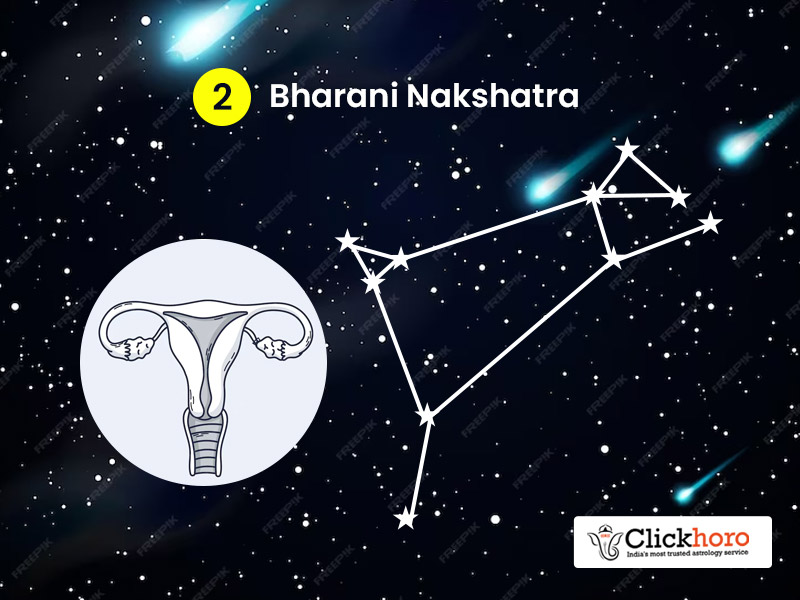
Bharani Nakshatra is well known for business.

The Lagna Nakshatra (Ascendant Star) reflects an individual's physical body, outward personality, health, and the general direction of their life. One might consider it a mirror of one's karma. Conversely, the Chandra Nakshatra (Moon Star) signifies a native's mental strength, thought processes, emotions, and destiny. The 'Vimshottari Dasha' system is determined based on the Chandra Nakshatra. In essence, the Chandra Nakshatra holds greater significance.

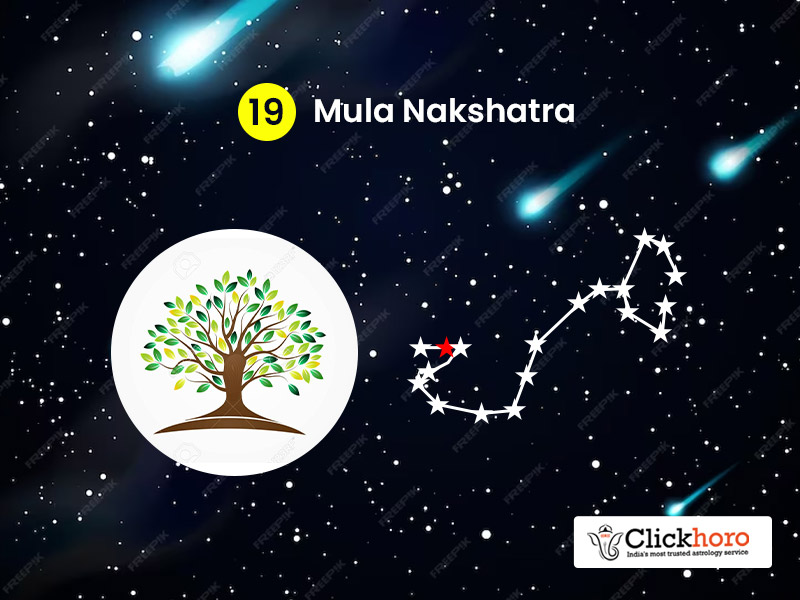
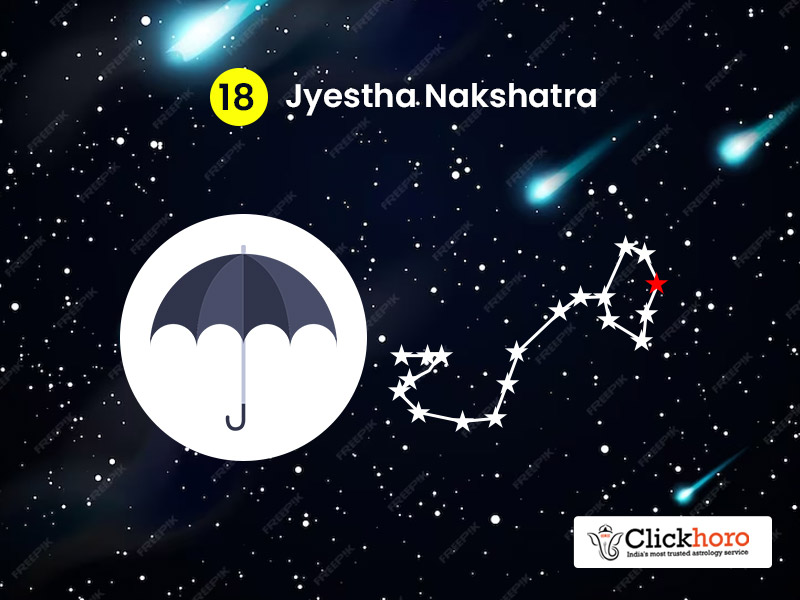
Jeystha, Mula, Aslesha, Magha, and Ashwini. These nakshatras’ starting and ending points by degree wise are considered gandanta or dangerous.

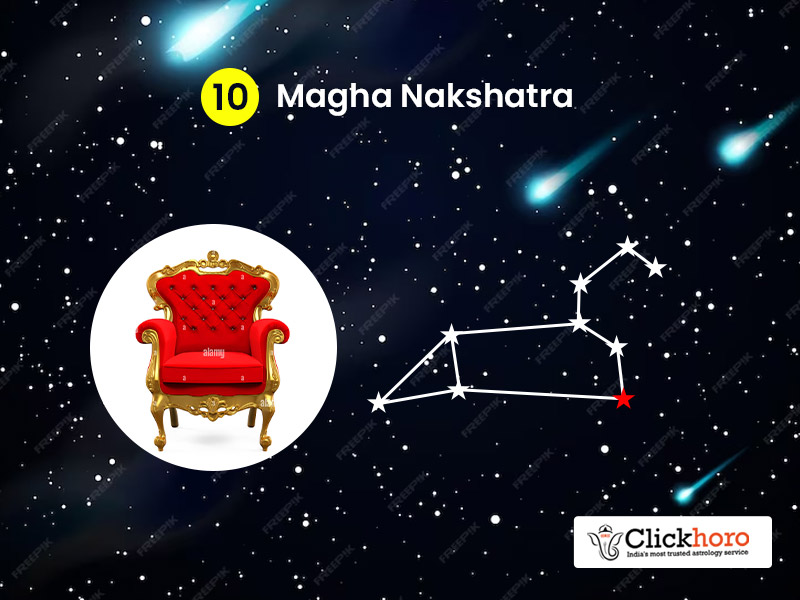
Ashwini, Magha, Mula Nakshatras are ruled by Ketu.

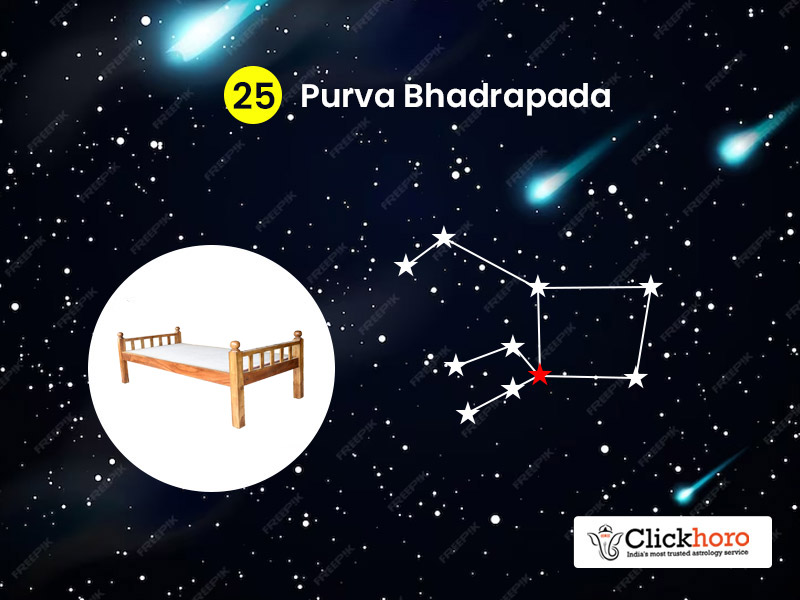
Punarvashu, Vishakha, Purva Bhadrapada Nakshatras are ruled by Jupiter.

Pushya, Rohini, Anuradha, Mrigashira, and Uttara Pahlguni are the most auspicious Nakshatras.

In our Hindu tradition, for centuries, a child's name has been chosen based on the Nakshatra (lunar mansion) under which they were born. It is at this juncture that the child's Kundali (birth chart) is also prepared. The primary objective behind this practice is to attract positive energy, good fortune, and success into the native's life. According to astrology, the specific Nakshatra phase occupied by the Moon at the moment of birth significantly influences the child's personality and destiny.

Pushya: is considered for most auspicious and nourishing,

Rohini: is for creativity and beauty, Ashwini: is for leadership and vitality,

Anuradha: is for balance and wisdom, Uttara Phalguni: is well known for leadership.

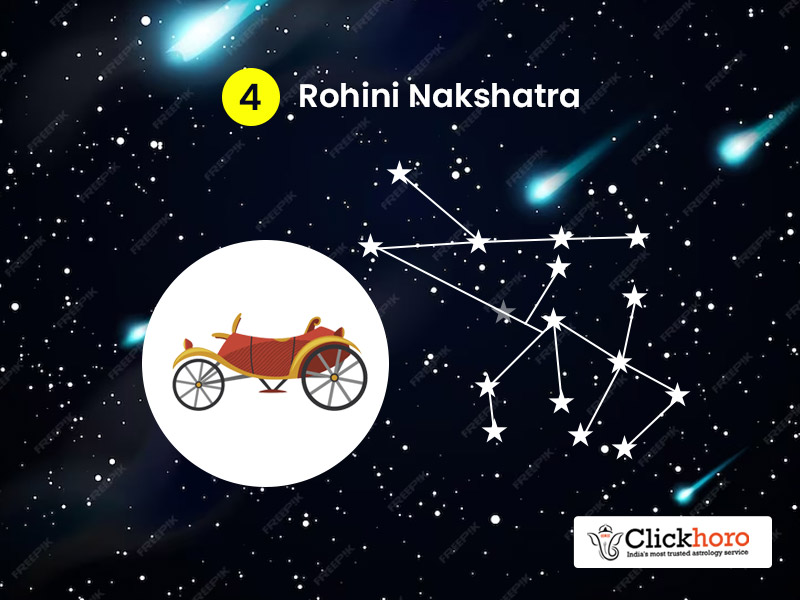
Rohini is called the queen of all Nakshatra.

Pushya Nakshatra is called the king of all Nakshatra.

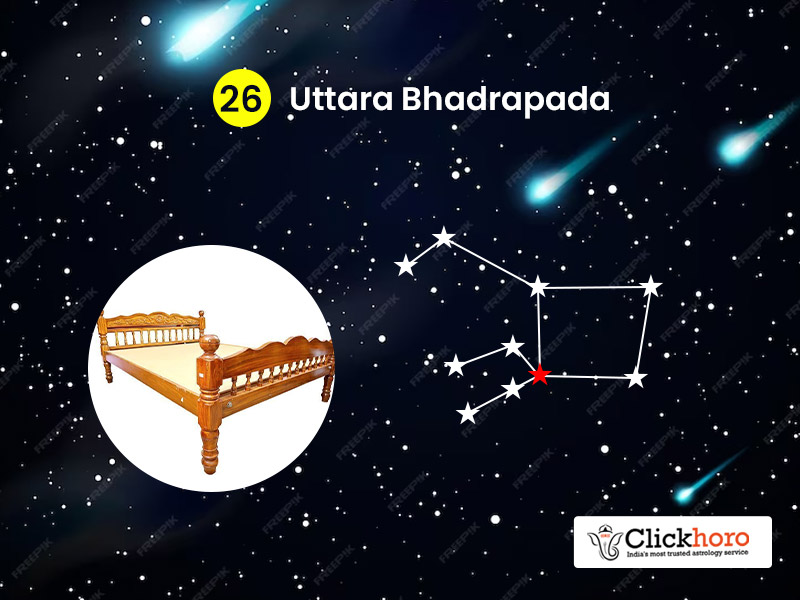
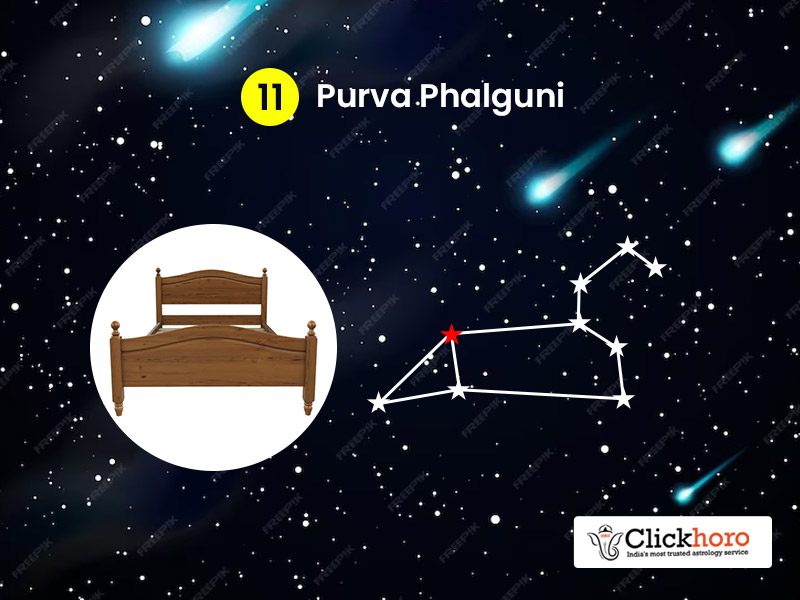
Rohini, Uttara Bhadrapada, Revati, Hasta, Pushya, Purva Phalguni, Purvashada Nakshatras are well known for wealth and prosperity giving.

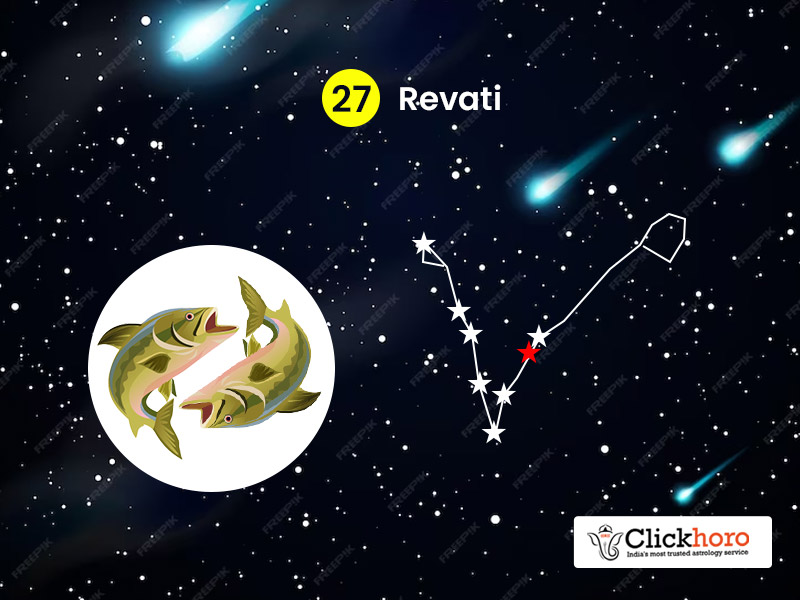
Pushan is the deity of Revati Nakshatra and a pair of fish is the symbol of this Revati Nakshatra.

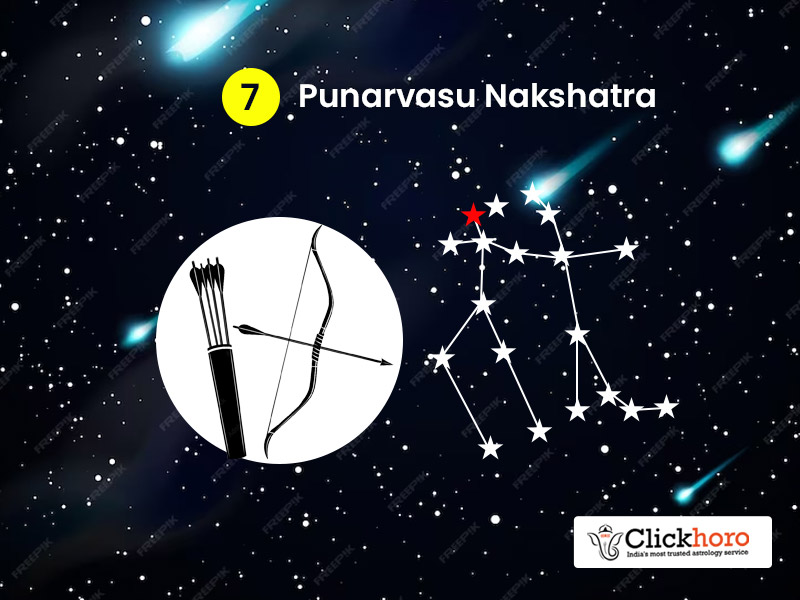
Jupiter is the lord of Punarvasu Nakshatra and mother Aditi is the deity of Punarvasu Nakshatra.

The lord of Krittika Nakshatra is Surya Dev and Agni Dev is the deity of Krittika Nakshatra. And such people are influenced by the fire element, which makes them courageous, confident, energetic, and determined. These people are natural leaders, articulate and hard-working, who often shine in fields such as the military, police or management. Such a person can be arrogant, stubborn, and even angry at times.

Pushya, Anuradha and Uttara Bhadrapada Nakshatras are ruled by Saturn.

Top compatible Nakshatras are like following:

Magha + Jyeshtha= good compatible,

Revati + Purva Ashadha= good and well-suited,

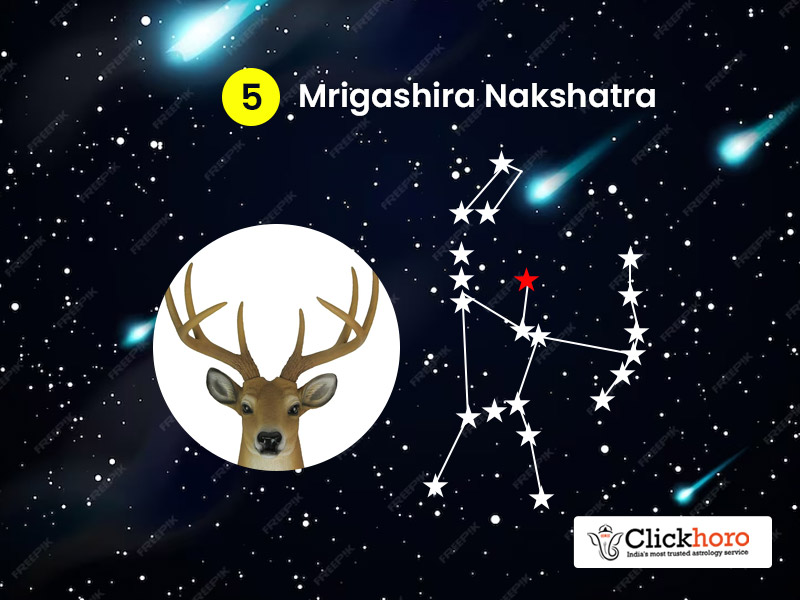
Hasta + Mrigashira= good compatible,

Anuradha + Rohini= good companionable and creative,

Uttara Phalguni + Uttara Ashadha= well-matched.

Pushya Nakshatra is the 8th among 27 Nakshatras.

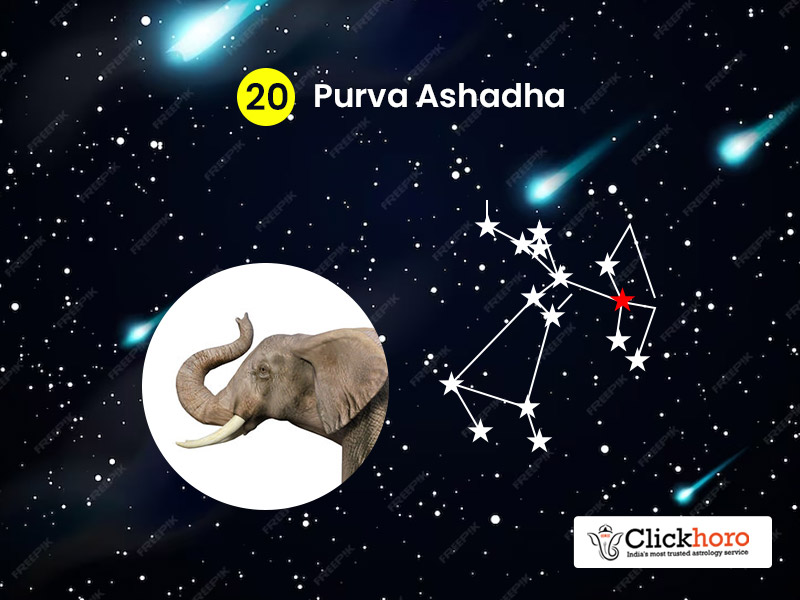
Poorvashada Nakshatra is the 20th among 27 Nakshatras.

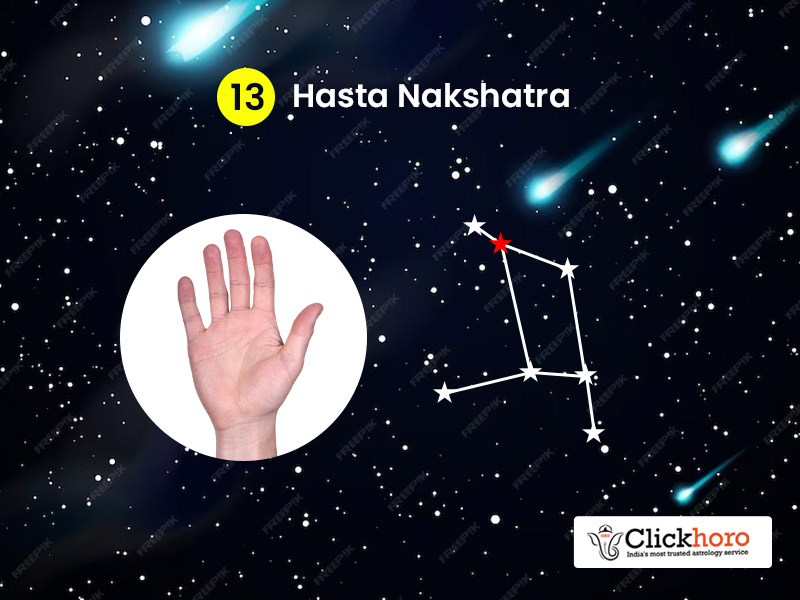
Moon is the lord of Hasta Nakshatra.

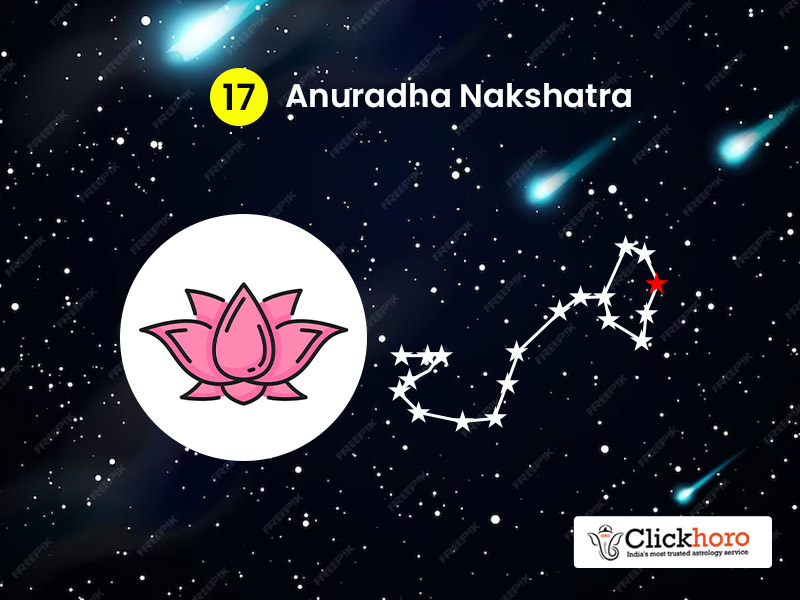
Lotus flower is the symbol of Anuradha Nakshatra.

Shravana is the 22nd Nakshatra, falling within the zodiac sign of Capricorn. The symbol of this Nakshatra is the ear, and its presiding deity is Lord Vishnu. Individuals born under the Shravana Nakshatra are intelligent, possess a keen desire to learn, and are natural-born listeners. Influenced by Lord Vishnu and the Moon, they are compassionate, helpful, and calm by nature; however, due to the presence of Saturn in Capricorn, they can also be somewhat stubborn and disciplined. They typically attain stability in life after the age of 30. Natives born under the Shravana Nakshatra generally take a deep interest in religion and spirituality.

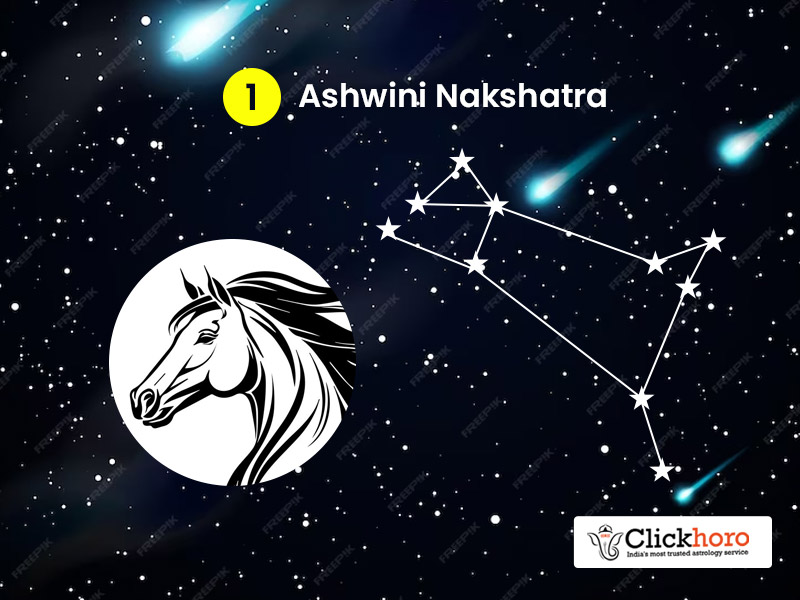
Ashwini is the first Nakshtra comes in Aries or Mesha Sign and Revati is the 27 and last Nakshtra comes in the Pisces or Meena Sign.

0 Comments

Leave a Reply

Your email address will not be published. Required fields are marked *