Dwarka Dham The Universal Shrine

Dwarka Dham The Universal Shrine
| Added by: Astro Editorial Team

The Ancient Story of Dwarka

According to “Harivansh Purana”, Sri Krishna left Mathura and went to Dwarka at the age of 28. In Dwarka he married 16,108 wives, he just married only to protect their honor and nothing else. He became the charioteer of Arjuna in the battle of Kurukshetra. It is also said that Krishna reclaimed 12 yojanas or 96 square kilometers of land from the sea to build Dwaraka.

Legend has it that after Lord Krishna left Mathura to escape the wrath and vengeance of King Jarasandha, Kansa's father-in-law, the divine Garuda took him to Dwaraka where Lord Krishna settled for the rest of his life until he left this world. In 3102 BC It is said that Dwaraka was the kingdom of Lord Krishna and his grandson “Vajranabha” built the Dwarkadhish temple at the 'Hari Griha' or the residential place of Lord Krishna.

Guru Sankaracharya Established Dwarka as a Dham

The Dwarka Dham (द्वारका धाम) is dedicated to Krishna was first built in 200 BC. The temple was rebuilt and expanded in the 15th-16th centuries. The temple is also the site of the Dwaraka Matha, also known as the Sharda Matha or Peetha and the "Western Peetha", one of the four Peethas established by Adi Guru Sankaracharya.

Around 200 AD, King Vasudev II, who was the king of Dwarka at that time, lost his kingdom to the Mahakshatriya Rudradama. After the demise of Rudradama, Queen Dhiradevi invited Pulumavi with a desire to seek his guidance regarding the governance of the kingdom.

Rudradama was a follower of Vaishnavism and a worshiper of Lord Krishna. Later his successor Vajranabha constructed a chhatri and installed the idol of Lord Krishna in it.

When religion started rising in India, then Adi Guru Shankaracharya established Chardham to revive Hinduism. A Hindu monastic center was established at the place where the Dwarka temple is today to view the Chardham. Around 885 AD, Shri Nrisimhashram, the head of ShriJagadguru Shankaracharya Peeth, renovated the temple of Dwarka.

According to legends, this now submerged city was once the abode of Lord Krishna. He was not the king of Dwaraka, but he was the one who created it. It is believed that Krishna had asked the sea god Samudra to lend 12 yojanas of land for the city.

The sea god agreed and gave Krishna the land which was earlier known as Kushasthali. Later Krishna changed its name to Dwaravati or Dwarka.

Dwaraka is one of the pilgrimage shrines of Lord Vishnu (द्वारका भगवान विष्णु के तीर्थस्थलों में से एक है ) . The ancient city of Dwarka is believed to be built with the help of divine architects and is often referred to as the Golden City. The prosperity of the city was increased by the presence of Krishna. In olden times, Krishna's presence in the city brought pilgrims from far and wide.

The interesting thing is that this trend continues even today. For the followers of Krishna, the present day city of Dwarka is one of the most important pilgrimage places.

The Real Dwarka was Drowned in the Ocean after Shri Krishna

It is also believed that the city of Dwaraka was submerged soon after Krishna left his earthly abode. His departure from the world marked the end of Dwapara Yuga and the beginning of Kaliyuga or Kaliyuga. With the onset of Kaliyuga, the city of Dwarka also got submerged and took all the inhabitants with it.

Dwarka Temple is an iconic pilgrimage site for all Hindu pilgrims as it is one of the Chardhams(चारधाम) or monasteries of Hinduism established by Adi Shankaracharya. Dwarka is also one of the Sapta Puris (सप्त पुरियाँ) or seven sacred pilgrimage sites of Hinduism.

It is said that the darshan of Dwarkadhish in the temple leads a person to the path of moksha or liberation. Besides, the mythological importance of the temple is also considerable. It is believed that this temple stands at the place where Lord Krishna lived many centuries ago.

Dwarka Temple is dedicated to Lord Shri Krishna, the eighth incarnation of Lord Shri Vishnu(द्वारका मंदिर भगवान श्री विष्णु के आठवें अवतार भगवान श्री कृष्ण को समर्पित है।). This temple is located in Dwarkadeesh Temple(द्वारकाधीश मंदिर) is the main temple of the 5 storey building supported by 72 pillars, known as Jagat Mandir or Nij Mandir, archaeological findings suggest that it is 2,200 to 2,500 years old.

How to Reach Dwarka Dham

By Air to Dwarka Dham
Jamnagar airport is the nearest domestic airport to reach Dwarka Temple. It’s around 137 km from Dwarka.
By Road to Dwarka Dham
Jamnagar to Dwarka which is just 137km away the good highway to reach Dwaraka on early basis.
By Train to Dwarka Dham

Dwarka is also a major railway station in Gujarat and also connected to neighbouring cities of Gujarat around Dwarka like Rajkot, Ahmedabad, Jamnagar and other metro cities of India.

Dwaraka Dham in Google Map

Frequent Asked Questions(FAQs)

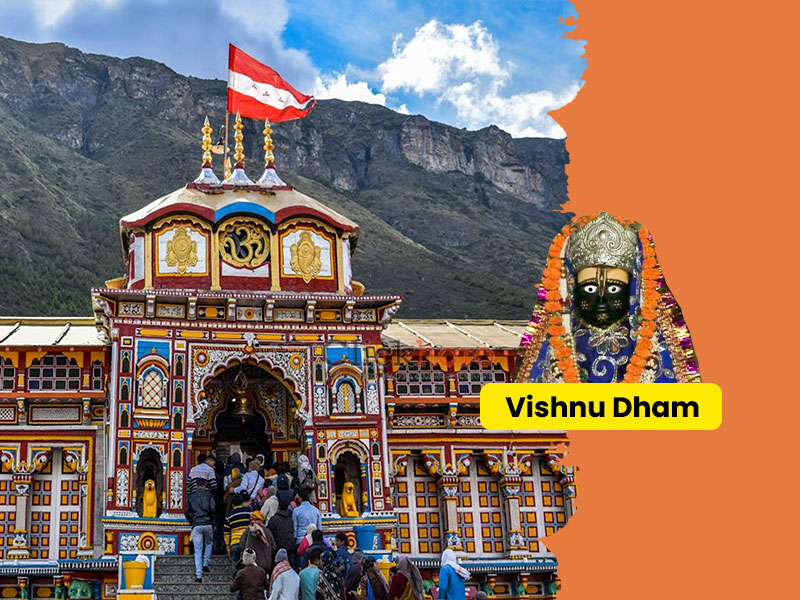
Badrinath Dham is situated in the Chamoli district of Uttarakhand, within the Himalayan Mountain range, on the banks of the Alaknanda River. It is nestled between two mountains named Nara and Narayana and is one of the four most sacred pilgrimage sites (Dhams) in Hinduism.

Badrinath Dham is the ultimate abode of Lord Vishnu, known as the "Vaikuntha of Earth." Its most notable attractions are the “Tapt Kund” which is natural hot spring, the Brahma Kapal a sacred place for offering prayers to ancestors, and the self-manifested Shaligram idol of Lord Badri Vishal.

May to June and September to October is the best time to visit Badrinath.

Badrinath is one of the four shrines of Lord Vishnu. Kedarnath is one of the 12 Jyotirlingas. But both of the places are available in Uttarakhand State.

The nearest railway station is Yog Nagri Rishikesh Railway Station, which is located approximately 295 to 300 km away from Badrinath.

Badrinath (Uttarakhand), Dwarakanath (Gujarat), Jagannath (Odisha), Rameshwaram (Tamil Nadu).

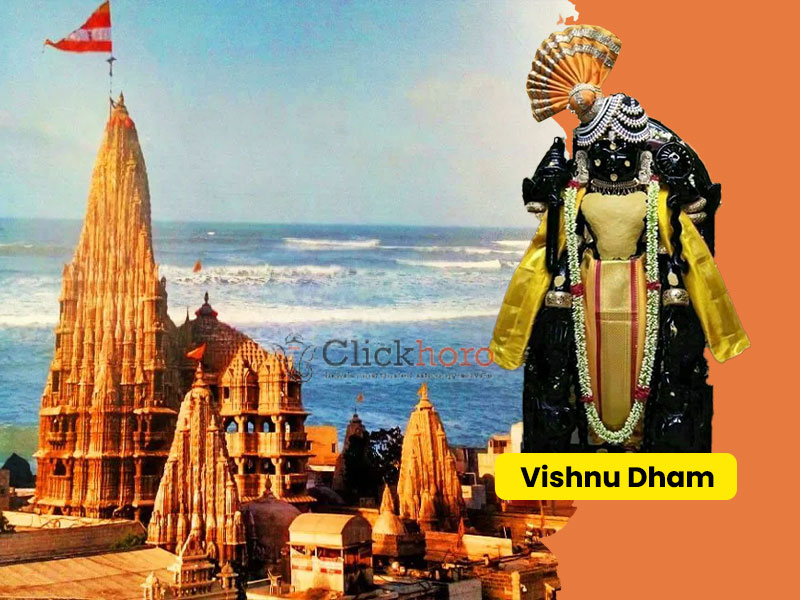
Dwaraka was historically referred to as “Dwarakadish Nagari” which is the city of the Lord of Dwaraka or Srikrishna. It is situated on the coast of the Arabian Sea in the Indian state of Gujarat. An ancient and sacred city, it is nestled at the mouth of the Gomti River in the Devbhumi Dwaraka district on the Saurashtra coast, and is revered as the capital of Lord Krishna.

Dwaraka Dham is known by the names “Dwarakadish Temple” and “Jagat Mandir”. This temple is 2,500 years old and is constructed in the Chalukya architectural style. A 52-yard-long flag flutters atop the temple's spire, and this flag is changed five times a day.

The winter months, specifically from November to February are the ideal time to visit. During this period, the weather is pleasant, cool, and very comfortable for sightseeing, making it perfect for visiting the Dwaraka Temple and exploring the surrounding

The nearest railway station is Dwarka Railway Station. It is around 2-3 KM from the main temple.

The main places to visit in and around Dwarka Dham are the Dwarkadhish Temple, Bet Dwarka, Nageshwar Jyotirlinga, Gomti Ghat, and the Rukmini Devi Temple. You can also visit Shivrajpur Beach to enjoy the seaside, and Gopi Talav for a sense of tranquility.

In Hinduism, the four Dhams are Badrinath, Dwarka, Puri, and Rameswaram. All four Dhams are equally sacred and hold their own unique significance; therefore, no single one can be designated as the "best."

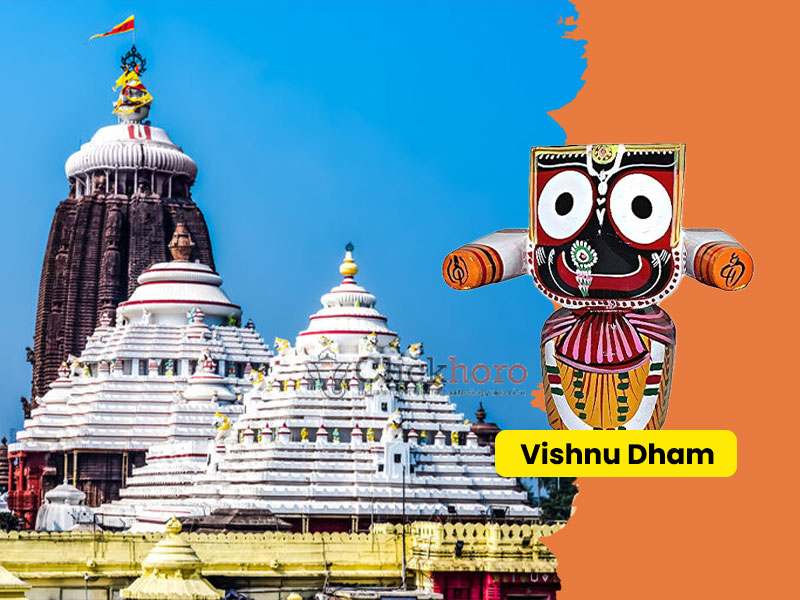
Jagannath Dham is situated in the city of Puri, in the Indian state of Odisha, which lies along the coast of the Bay of Bengal.

It is a temple shrouded in mystery; here, Lord Jagannath is offered a daily “Bhog” (sacred food offering) consisting of 56 different dishes and 60 distinct items. Despite being such a massive and colossal structure, the temple casts no shadow upon the gro

The months from October to February are ideal for a visit, as during the rest of the year, the weather in almost all parts of Odisha tends to be hot.

Puri is well connected with four lane high way and airport, interstate bus terminus, ultra-modern railway station is just 2 KM from the Jagannath temple.

Top places to stroll around Puri Jagannath Dham Konark Surya Temple is just 35 km, Chilka Lake is around 60KM, Raghurajpur Art Village (Art Village), Pileshwar (handicrafts), Semandir Beegopal are. These places are a wonderful blend of religious and natur

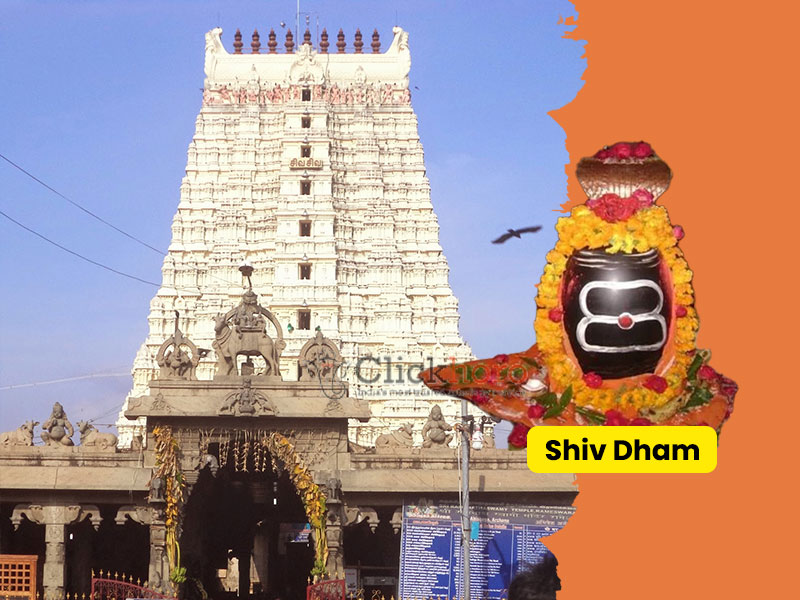
Rameshwaram Dham is located in Ramanathpuram district in the Indian state of Tamil Nadu. It is located on the island of Panban in the Gulf of Mannar in southern India. Rameshwaram is considered a Vishnu Dham because Lord Rama represented this Jyotirlinga.

Rameshwaram Dham is a Dham known as Shivji and Vishnu Ji's Dham. The main features here are the 22 holy pools located inside the Shri Ramanathaswamy temple, in which bathing is considered to free us from sins and diseases.

The railway station is very near to the temple. Rameshwaram Railway Station, is located just 1 to 2 km away.

The main places to visit in and around Rameshwaram are the Ramanathaswamy Temple, Dhanushkodi Beach, the northernmost point of India, and the amazing Pamban Bridge. The Panchamukhi Hanuman Temple, Agni Theertham, and Rama Setu are also important places to

There are 22 bath kundam at Rameshwaram temple, those are like Mahalakshmi T?rtham, S?vitr? T?rtham, G?yatr? T?rtham, Sarasvat? T?rtham, ?a?kha T?rtham, Cakra T?rtham, ?iva T?rtham, Satyam?ta T?rtham, Sarva T?rtham, Gaya T?rtham, Ganga T?rtham, Yamuna T?

The divine early morning darshan of the Sphatika Lingam at the Ramanathaswamy Temple is called Mani Darshan in Rameshwaram. This precious 'Sphatika Lingam' is also considered the gem of Sheshnag. This Mani Darshan is only available between 4:00 and 6:00 i

0 Comments

Leave a Reply

Your email address will not be published. Required fields are marked *