Trimbakeshwar Jyotirlinga Spiritual Secrets & Location

Trimbakeshwar Jyotirlinga Spiritual Secrets & Location
| Added by:

Where is Triambakeshwar Jyotirlingam (त्र्यंबकेश्वर ज्योतिर्लिंगम) Located?

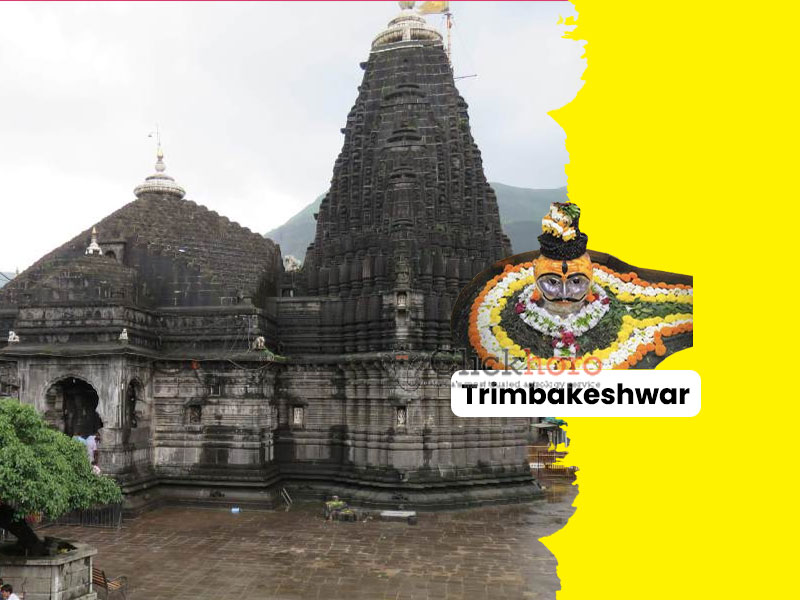
The Trimbakeshwar Jyotirlinga Temple is located in a valley called Trimbak, approximately 28-30 kilometers from the city of Nashik in Maharashtra. Originally it was a village where the temple is located, but it gradually became a hamlet. Nashik is a religious city and is home to the Shakti Peeth of Mata Saptshrungi, one of the 51 Shakti Peethas.

A cave in this area, described in the Ramayana as the abode of Rama, Lakshmana, and Sita, still exists. It is said that Ravana abducted Sita from this cave. Lakshmana then drew three lines, warning Sita not to cross them, and then followed Rama. There are numerous other religious sites here that have been renowned for centuries and are mentioned in various Puranas.

The Trimbakeshwar Jyotirlinga, a renowned ancient temple, is situated between three hills: Brahmagiri, Nilgiri, and Kalagiri. Notably, the sacred Godavari River originates from this cave. In South India, the Godavari River is called the Ganges. It is also known as "Punyatoya Godavari."

Trimbakeswhar Jyotirlinga is the 11th Jyotirlinga

Trimbakeshwar is a major Jyotirlinga among the 12 Jyotirlingas, its position is the 11th among the 12 Jyotirlingas. The place of Trimbakeshwar is very famous and unique because it is one of the four Kumbh Mela sites, which is also known as Ardha Kumbh. The full Kumbh is held only in Prayagraj, Uttar Pradesh. It is a very big pilgrimage site. This temple is situated on the banks of the Godavari River.

What do You Mean by Trimbak?

If we break down the word “Trimbak” we get the real meaning of the word: “Tri-Nee-Ambak (Three-Nee-Ambak)”. “Three” means three, “Nee” means eyes and “Ambak” who is the lord of Amba is the three-eyed Lord Shiva also known as Trimbaka or Trimbakeshwar.

The Story of Trimbakeshwar Jyotirlingam

In ancient times, the divine ashram of Gautam Rishi was located on Brahmagiri Mountain. Maharishi Gautam and his wife, Goddess Ahalya, practiced penance there. There were several sages in the area who did not get along with Gautam Rishi. They were jealous of him and tried to undermine him.

You may know this even today. If your status rises and your name and reputation increase, some people whose position is below to you they must try to harm you and attacked from the behind. The same thing happened with Gautam Rishi. Gautam Rishi was considered one of the most pious and noble sages.

Some sages, jealous of him for killing a dog, accused Gautam Rishi of cow slaughter. They said he had killed their own cow and must atone for it. Gautama Rishi knew that these people were falsely accusing him, but he did not protest. He then asked how he would atone. They all said, "You must bring Goddess Ganga here. Only then will you be free from cow slaughter, or else not."

Then Gautam Rishi vowed that he would take Goddess Ganga with him. He then established a Shivalinga and began worshipping it and performing rituals. A few years later, pleased with the devotion of Gautam Rishi, Lord Shiva and Goddess Parvati appeared there. Then Lord Shiva asked him to ask for a boon. Sage Gautam then requested Lord Shiva to send Goddess Ganga to that place.

Goddess Ganga said that if Lord Shiva also stays at this place, then obviously I will also stay there. On hearing this from Ganga, Lord Shiva agreed to stay there in the form of Trimbakeshwar Jyotirlinga, Brahma, Vishnu and himself in the form of Mahesh Linga.

And as per his promise, the river Ganga started flowing there in the form of Gautami. Another name of river Gautami is Godavari. This is the origin place of river Godavari, which is called the Ganga of the south. River Godavari is as sacred as river Ganga.

Clarification of Trimbakeshwar in Linga Purana

Lord Trimbakeshwar is also mentioned in the Linga Purana, not only this, he has great importance in the Ashtadvasha Puranas and Shaiva Siddhanta as well. What is his significance, let's come and find out.

Linga Purana says,

"तथा सूर्यस्य सोमस्य, तथा सोमस्य सूर्यस्य वन्ध्या अग्नि त्रयस्याच अम्बा उमा महादेव यंबोकास्तु त्रिंबक "

It means Chandra which is Sheetal (cool) Agni, Surya which is Ushma (hot) Agni, Agni which is itself hot Agni, these three Agnis, from which this earthly world gets light, the mother of these three Agnis is “Amba” and the father of these three Agnis is “Ambak” who is Lord Shiva and this Ambak is Trimbak, we have already talked about this above.

Trimbakeshwar is the island named Jambudweep in Bharat Island of India where there is “Dandak Aranya”. You must be knowing that “Dandak Aranya” which is the biggest forest of India, this forest spreads at least more than 400 KM in area. When Lord Rama went on exile for 14 years, he stayed in Dandakaranya for a few days and there he killed dangerous demons and protected the sages and saints.

In this same “Dandak” forest is the ashram area of Gautam Muni where he used to live with his wife Ahalya and do penance. It was there that Indra Dev was fascinated by seeing the form of Devi Ahalya and to have making physical love with her, she assumed the form of Gautam Rishi and went to his ashram to have love with him, when Gautam Muni was not at home.

Then, when Indra was leaving the ashram disguised as Gautam Rishi, the real Gautam Muni, while returning to the ashram, his eyes fell on Indra. Then he saw through his “Yoga Power” it was Indira and after escaping from Maya, he had kept relation with my wife?

He thought. Then he got angry and turned into a stone with the curse of Ahalya. She remained lying there as a stone for several hours, when Shri Ram's feet touched that stone, then she got salvation, all this we come to know from Ramcharit Manas and Valmiki Ramayan.

Do you know? Its name is known as "Tri Sandhya Kshetra" in the Puranas. The name Trimbak is derived from the names of the mother and father of these three fires, i.e. "Amba" and "Ambak." That is why it is called Trimbakeshwar. It is said that whoever visits Lord Trimbakeshwar receives the blessings of both Shiva and Shakti.

Jai Baba Trimbakeshwar Ji!

By Road

Trimbakeshwar is approximately 30 km from Nashik, a 45 to 60-minute drive via the state highway. Local buses, auto-rickshaws, and private taxis are frequently available. It is very close to the temple.

Trimbakeshwar is approximately 170 to 180 km from Mumbai. Travel to Nashik via NH160 and then take the Trimbakeshwar route, which takes a 4 to 5 hour drive.

Trimbakeshwar is approximately 200+ km from Pune, typically a 4 to 5 hour drive via NH60.

By Train

Nashik Road Railway Station is the nearest station to Trimbakeshwar Temple, approximately 35 to 40 km away. Direct trains from Mumbai, Pune, Delhi, and other major cities also stop here. Some major superfast express trains include the Tapovan Express and Panchavati Express. Get off here and hire a taxi, which will take 30 to 60 minutes, or take a bus from Nashik Road Station to Trimbakeshwar Temple.

By Air

The nearest airport is Nashik Airport (Ozar - ISK), which is about 50 km from Trimbakeshwar Temple. However, check your travel timetable as there are limited flights from major cities like Delhi, Bangalore, and Hyderabad.

Mumbai Airport (CSMIA - BOM) is 170-180 km away. It is better connected, and you can rent a car or take a taxi to drive to Trimbakeshwar Temple, which takes 4 to 5 hours.

Trimbakeshwar Jyotirlinga in Google Map

Frequent Asked Questions(FAQs)

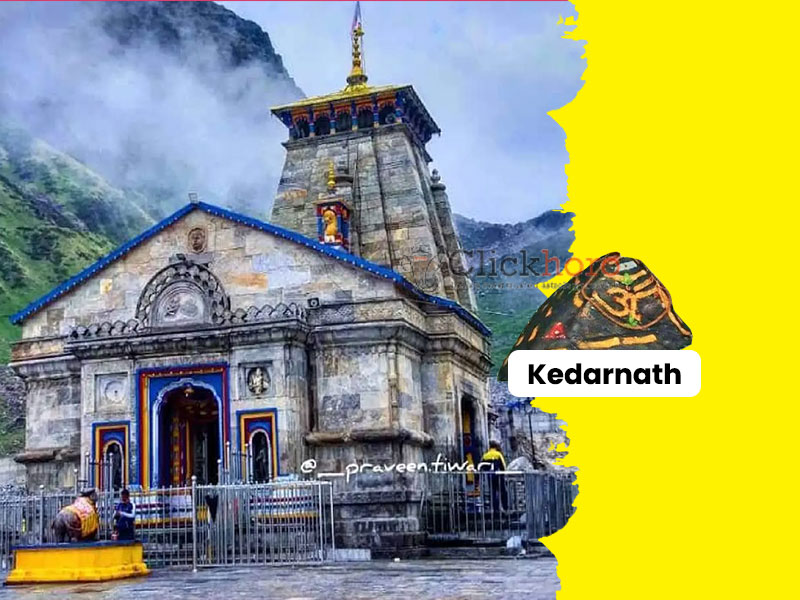
Kedarnath Dham typically opens in late April or May and closes in October or November. Specifically, the temple doors open on Akshaya Tritiya and close on the day following Diwali.

To reach Kedarnath, you must first travel to Haridwar, Rishikesh, or Dehradun. From there, you need to proceed to Sonprayag or Gaurikund. From Gaurikund, a 16-kilometer trek on foot is required to reach Kedarnath.

The best time to visit is from May to June and from September to October. This is because, during these periods, rainfall is not heavy enough to pose a risk of landslides, nor is the weather excessively cold.

For Darshan (viewing) at Kedarnath, the temple remains open from 4:00 AM until 4:00 PM.

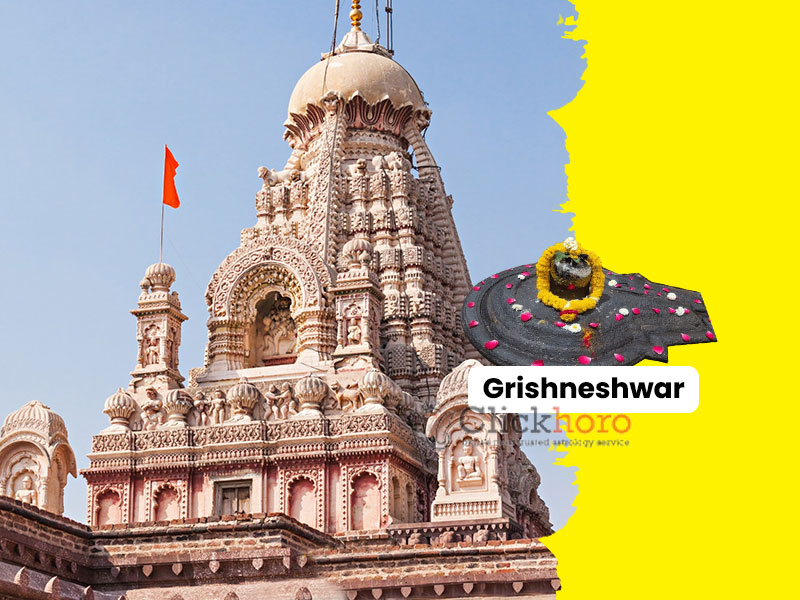
The Grishneshwar Jyotirlinga is situated in the Chhatrapati Sambhajinagar (formerly Aurangabad) district of the state of Maharashtra. It is located in a village named Verul, where the temple of Lord Grishneshwar stands.

Aarti is performed three times a day at the Grishneshwar temple: once early in the morning at 4:00 AM though this timing is subject to change, particularly in case of inclement weather, once at 12:00 PM (noon), and finally, the Mangal Aarti is held at 9:30 PM at night.

The best time to visit Grishneshwar Jyotirlinga is during the months of October to March. This period offers pleasant weather neither too hot nor too cold making it the ideal time for sightseeing and exploration.

If you wish to visit of the Grishneshwar Jyotirlinga, you must first travel to Aurangabad. You can reach Aurangabad by road, air, or train. From Aurangabad, you then need to proceed to Verul village, a journey that typically takes about one hour. The Grishneshwar Temple is situated within Verul village.

Women are prohibited from entering the sanctum sanctorum where the Shivalinga is located during the Bhasma Aarti. They can view the Aarti from the Nandi Hall or from outside, behind a curtain.

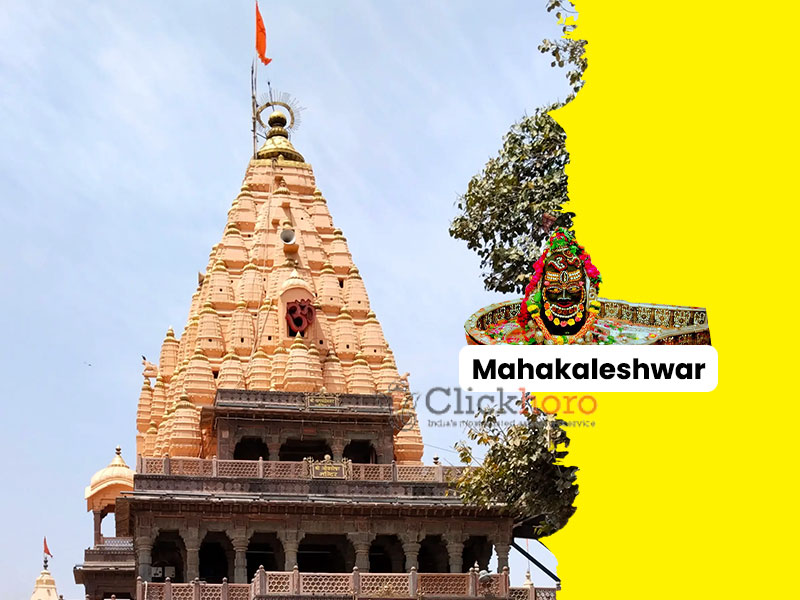
The Mahakaleshwar Jyotirlinga is located on the banks of the Kshipra River in Ujjain city, Madhya Pradesh, India.

The timing of Bhasma Aarti at the Mahakaleshwar Temple is from 4:00 AM to 6:00 AM in the early morning.

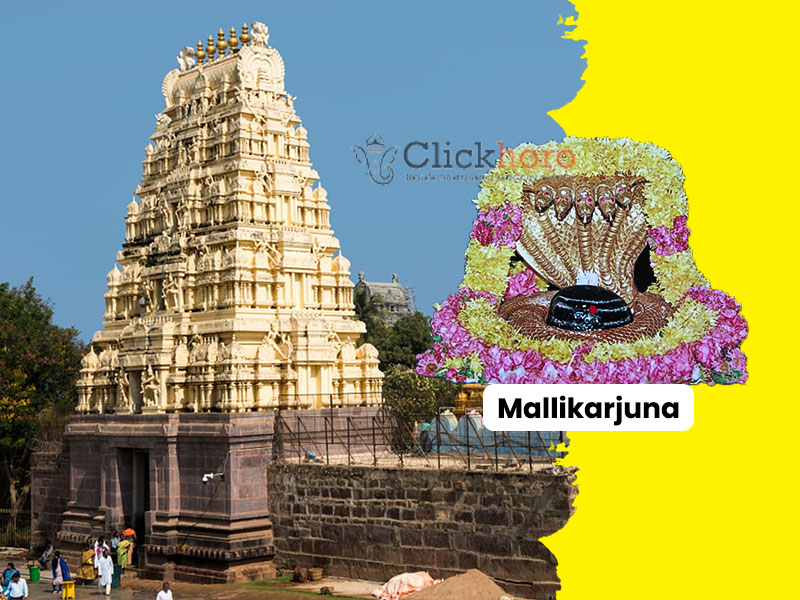
Malikarjuna Jyotirlinga is situated in Sree Sailam of Andhra Pradesh. Where are you coming from India? You came to Hyderabad and from there. You will get everything by train, by air and by road. The nearest railway station is Marakpur Road, around 85KM from Kurnool.

In Malikarjuna Jyotirlinga, there is a wonderful confluence of Shiva and Shakti (Parvati). This is the only place in India where the Jyotirlinga of Lord Shiva (Mallikarjuna) and the Shaktipeeth of Mother Parvati (Bhramaramba) are present in the same temple complex.

Yes, here Lord Shiva is present in the form of Mallikarjuna and Mother Parvati is present in the form of Bhramaramba. Here Devi Bhramaramba is 18th number of Shakti Peetha.

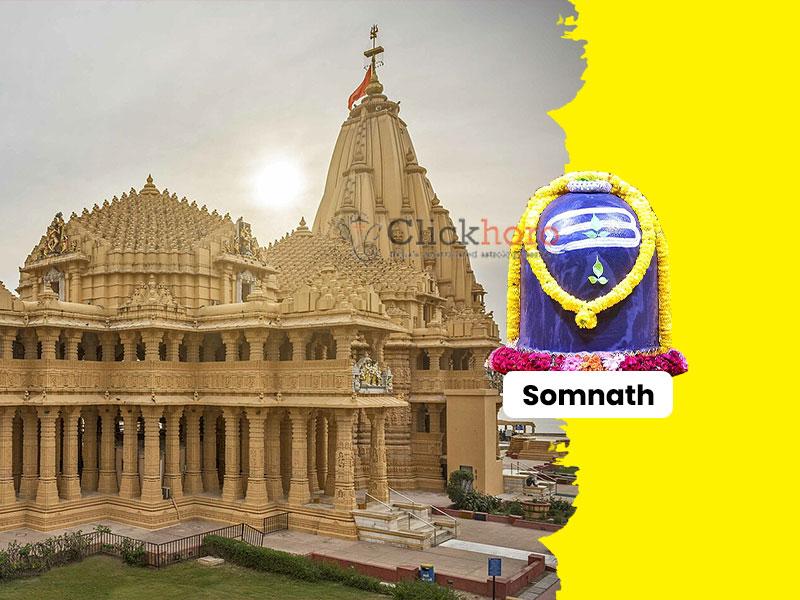
The darshan of Somnath temple is from 6:00 AM to 10:00 PM.

The nearest railway station is Somnath Railway Station. Besides this, Veraval junction, Junagadh Junction are also the near to Somnath Temple.

Mobile, cameras, smart watches, electronic gadgets, laptops, leather items like belts, purse, wallets, bags, luggage and foods are not allowed inside the temple.

The Moon or Chandra which is known as “Soma Dev” built and worshiped the original Shiva Lingam in gold to regain its lost luster, which gives the temple its name as Somnath. Somanth Jyotirlingam is called the 1st Jyotirlingam.

It is written in Hindu scriptures that in ancient times, sages and saints believed that the moon god (Som Dev) established a Shivalingam of Lord Shiva here and performed severe penance to free himself from the curse of Daksha Prajapati. Hence, it is known as Somnath.

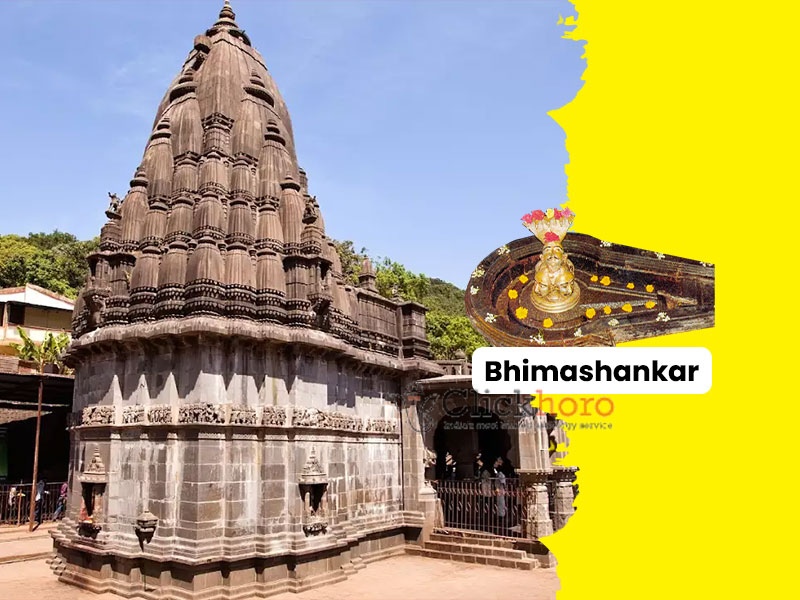
Bhimashankar Jyotirlinga is located in Bhorgiri village, Maharashtra, around 110-120 km from Pune city.

The darshan timing of Bhimashankar Jyotirlinga is from 4:30 AM to 9:30 PM.

Bhimashankar Jyotirlinga is the 6th Jyotirlinga. This place is especially known for its religious significance, beautiful architecture, and rich natural diversity. According to Hindu mythology, Lord Shiva killed Bhasmasura here, and during the battle, he sweated profusely. Later, it took the form of a river, which is known today as the Bhima River.

The Bhimashankar Jyotirlinga temple doors generally open at 4:30 AM for the Kakada Aarti and close at 9:30 PM. For Abhishek Pujas, you can typically book between 5:30 AM and 12:00 PM, and again in the afternoon from 12:30 PM to 4:00 PM.

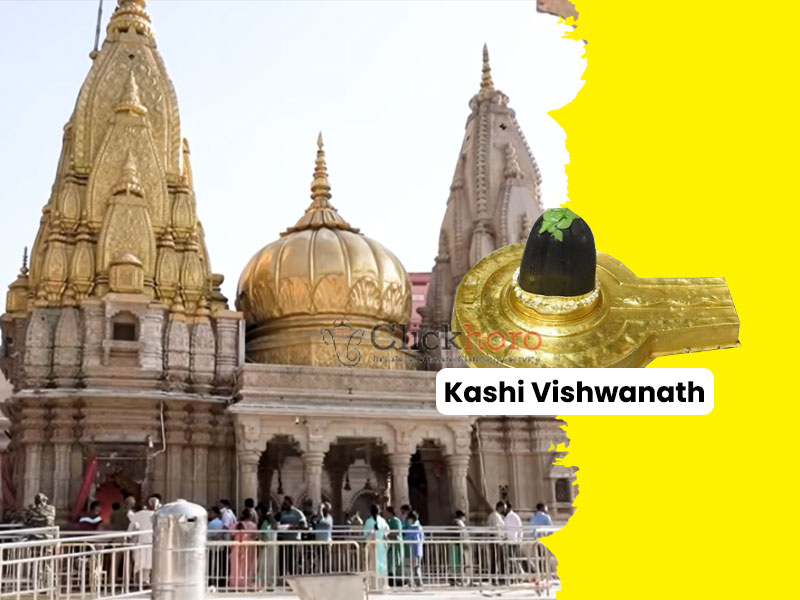
There is 5 times Aarti performed in Kashi Vishwanath Temple. The temple generally opens in 2:30 AM and closes 11:00PM daily.

The Arti Timing is basically like following:

Day time

Mangla Aarti: 3:00 AM to 4:00 AM

Bhog Aarti: 11:15 AM to 12:20 PM

Night Time

Saptarishi Aarti: 7:00 PM to 8:15 PM

Shringar and Bhog Aarti: 9:00 PM to 10:15PM

Shayan Aarti: 10:30 PM to 11:00 PM

Mandir opens in very early 2:30 AM, go very early for Mangala Aarti. You will see calm and empty lanes. If you want to entertain lights and music with Aarti, come in the evening aarti called Saptarishi Aarti. You will be experienced a huge crowd.

Carry a printed ticket and an ID. Some entries ask for ID like Aadhar Card, Election I Card, Driving License, Passport. Carry a small water bottle and basic medicines for headache, stomach, loose motion. Keep some changes for autos and small shops. Big notes can be hard to change in lanes.

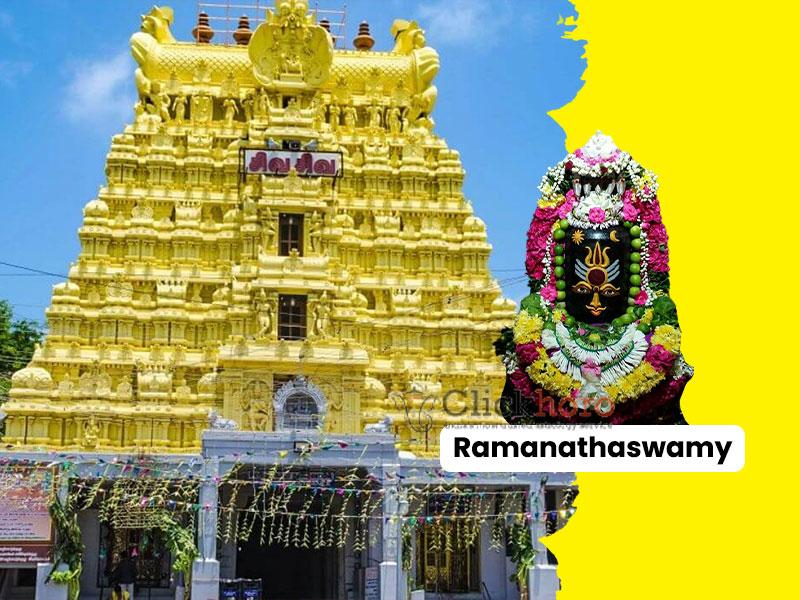
The Rameshwaram Jyotirlingam was consecrated by Lord Rama to mark the inauguration of the union. He invited Ravana as a priest to consecrate the Shivalingam. That is why this Jyotirlingam is known as Rameshwaram. Most importantly, Rameshwaram is one of the 12 Jyotirlingams and is one of the four Dhams.

Rameswaram is one of the four Dhams and is one of the 12 Jyotirlingams. Therefore, people go there to attain salvation, liberation from sins, and to pay homage to their ancestors and perform the immersion of ashes.

October to March are the best months to visit Rameshwaram temple. Because that time is neither very hot nor very cold, and is the best time to travel anywhere in India.

Yes, there is a strict dress code for darshan at Rameshwaram Jyotirlinga. To maintain the sanctity of the temple, all devotees are advised to wear modest and traditional Indian clothing. For men, dhoti and shirt, or kurta-pajama. For women, saree or salwar kameez with dupatta. Avoid jeans, short dresses, t-shirts, shirts, and transparent dresses.

Yes, women are fully permitted entry into the Ramanathaswamy Temple in Rameshwaram! Women can not only visit the temple, but can also bathe in the 22 sacred ponds called “Theerthams” inside the temple before entering the main sanctum sanctorum. But only in sarees, salwar suits, with dupattas. Women in wet and filthy clothes are strictly prohibited.

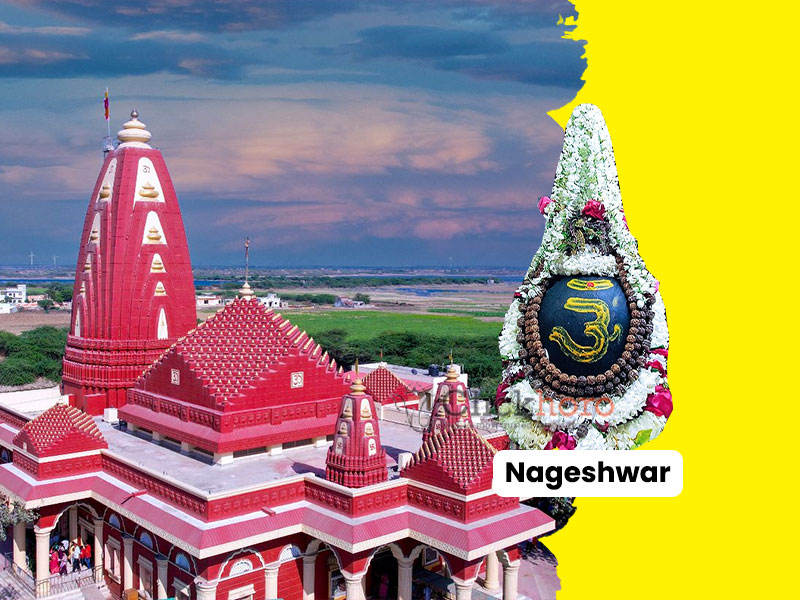
The Nageshwar Jyotirlinga is located on the Saurashtra coast in Gujarat, India. It is situated just 17 km from the city of Dwarka. The exact location is Daarukavanam, Goriyali, Gujarat-361335.

The timings for Darshan at Nageshwar Temple are from 5:30 AM to 9:00 PM.

No cameras, mobile phones, and other electronic gadgets are not allowed inside Nageshwar Temple. Furthermore, please note that in India, for security reasons, mobile phones, cameras, and electronic gadgets are generally not permitted inside any major temple, Jyotirlinga shrine, or pilgrimage site (Dham).

0 Comments

Leave a Reply

Your email address will not be published. Required fields are marked *