
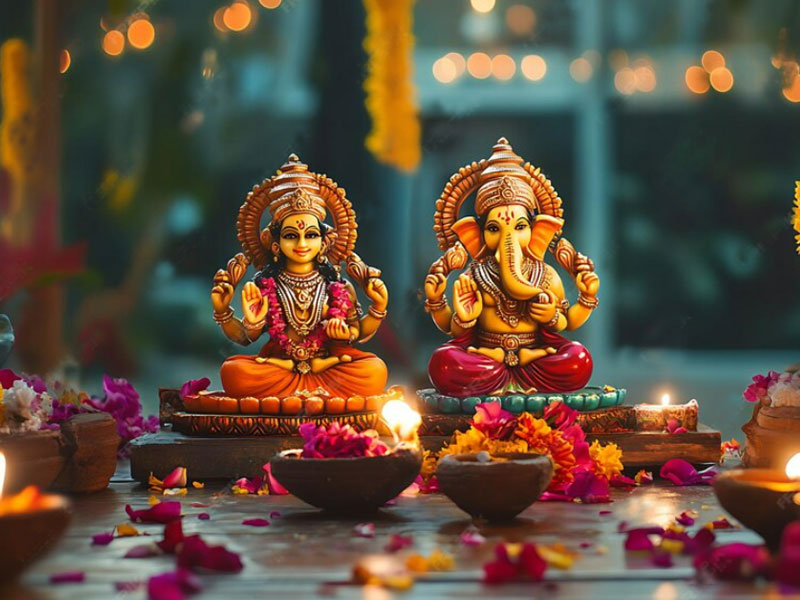
Diwali Puja Vidhi at Home Step by Step
Diwali is a very big festival for all of us Hindus. This festival is celebrated by everyone, from children to the elderly. Everyone's heart is filled with the enthusiasm and joy of Diwali. Diwali celebrations last for a whole week.
People wear new clothes and jewellery and household items for their home. They also visit each other's homes as neighbours. Because a festival is never celebrated alone, Diwali gives you a great happiness when you celebrate with the family, friends and neighbours.
The festival of lights, Diwali, is celebrated across the country on the auspicious occasion of Kartik month's Krishna Amavasya (new moon). Nowadays, the festival is being celebrated not only in India but also abroad.
To ensure that the blessings of Goddess Lakshmi always remain, the scriptures prescribe the worship of Goddess Lakshmi along with Ganesha and Kubera this evening. The scriptures say that performing Diwali puja during the Pradosh period on the Kartik Krishna Amavasya tithi, in a stable ascendant like Vrish Lagna (Taurus ascendant), brings wealth and prosperity.
Those who worship the Goddess through Tantra Vidya perform the puja at midnight during the Nishith period, because this day has two auspicious times for puja: one in the evening and one at midnight after 10 PM.
In Diwali, the worship of Lakshmi and Ganesha is of great importance in every home. Let's discuss the Diwali puja method. How to worship Lakshmi, Ganesha, and Lord Kubera on Diwali to attain stable wealth? Learn the complete Diwali puja method and mantras.
Essential Items for Diwali Puja
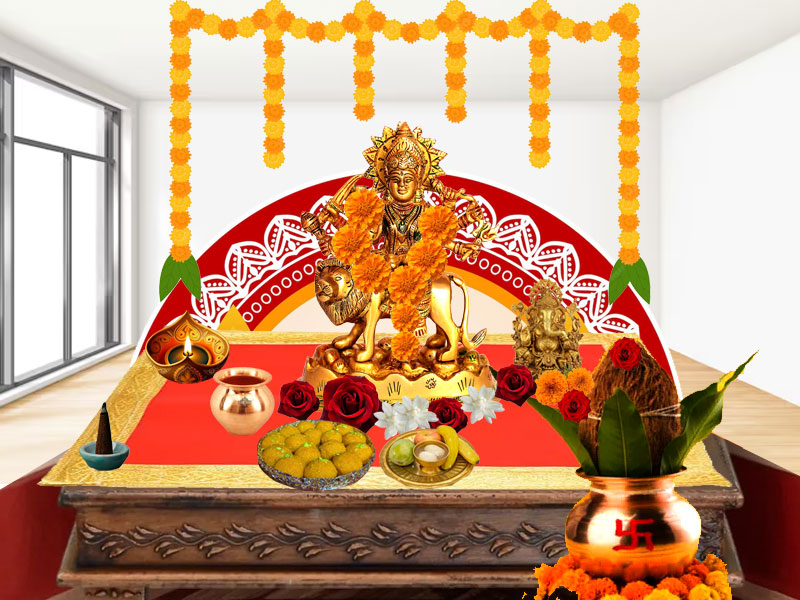
For Diwali puja, you don't need many expensive items. These items are easily available in your nearby shops. The list of these items is given below.
Sacred thread (Kalava), Roli (red powder), Sindoor (vermilion), one coconut, Akshat (rice grains), red cloth, flowers, five betel nuts, cloves, betel leaves, ghee, Kalash (water pot), mango leaves for the Kalash, a small table (Chowki), Samidha (sacrificial wood), Havan Kund (fire pit), Havan Samagri (sacrificial materials), lotus seeds, Panchamrit (milk, curd, ghee, honey, Ganges water), fruits, Batasha (sugar candy), sweets, a mat to sit on for the puja, turmeric, incense sticks, Kumkum (red powder), perfume, lamp, cotton wick, Aarti plate. Kusha grass, red sandalwood, white sandalwood, Lakshmi and Ganesh idols or photos, one silver or gold coin according to your capacity, if you don't have this, you can keep some money in the puja. Because money is considered Lakshmi, that's why money is also worshipped.
How to prepare for Diwali Puja?
Before starting the puja, make a rangoli at the place where Lakshmi and Ganesh will be seated. Light a lamp at each of the four corners of the table where the puja is being performed.
After this, place raw rice at the place where you will install the idols or photos, then place the idols of Ganesh and Lakshmi. On this day, along with Lakshmi and Ganesh, there is also a tradition of worshipping Lord Kubera, Goddess Saraswati and Goddess Kali. If you have their idols, place them at the puja site. If not, you can place a betel nut in their place.
It is believed that the worship of Goddess Lakshmi is incomplete without the worship of Lord Vishnu. Therefore, worship Goddess Lakshmi by placing her to the left of Lord Vishnu. So you should also place an idol of Lord Vishnu there, otherwise you can place a betel nut instead.
Start the Diwali puja with the purification mantra will be following, recite this mantra and sprinkle water on yourself, your seat, and the worship materials three times each, using kusha grass or flowers.
॥ अथः मंत्र ॥
ॐ अपवित्रः पवित्र्रोवा सर्वावस्थाम् गतोअपि वा. यः स्मरेत् पुण्डरीकाक्षम् स बाह्यभ्यन्तरः शुचिः।आचमन करें
॥ अथः मंत्र ॥
ऊं केशवाय नम: ऊं माधवाय नम:, ऊं नारायणाय नम:।,
Then, while saying " ॐ अच्युताय नमः हस्तं प्रख्यालयामि," wash your hands. Purify the mat with this mantra:
॥ अथः मंत्र ॥
ऊं पृथ्वी त्वयाधृता लोका देवि त्यवं विष्णुनाधृता। त्वं च धारयमां देवि पवित्रं कुरु चासनम्॥
Now apply sandalwood paste. Apply the sandalwood paste with your ring finger while reciting the mantra.
॥ अथः मंत्र ॥
चन्दनस्य महत्पुण्यम् पवित्रं पापनाशनम्, आपदां हरते नित्यम् लक्ष्मी तिष्ठ सर्वदा।
Make a Resolution With the Sankalp Mantra
Worship is incomplete without a resolution, so make a resolution by holding a few flowers, Ganges water, and unbroken rice grains in your hand.
Say this and drop the water, Akshat, and flowers held in your hands. This is a simple and easy way to make a resolution. If you can make a resolution with the original mantra, you can make a resolution by reciting this mantra below.
Simply recite the following resolution mantra:
॥ अथः मंत्र ॥
मेरा नाम अमुक(Ex:Kamal) है, यह जम्बूद्वीपे भारतवर्षे आर्यावर्ते, भारत खंडे,
अमुक(Ex: Delhi) नगरे, कार्तिक महीना, कृष्ण पक्ष चतुर्दशी तिथि,
अमुक(Ex: Friday) दिन, धर्म, अर्थ, काम, मोक्ष प्राप्ति(Or say whatever wish you have told here) Therefore, perform this Lakshmi puja today.
Original Say the resolution mantra (Sankalp Mantra)
॥ अथः मंत्र ॥
ऊं विष्णुर्विष्णुर्विष्णु:, ऊं तत्सदद्य श्री पुराणपुरुषोत्तमस्य विष्णोराज्ञया
प्रवर्तमानस्य ब्रह्मणोऽह्नि द्वितीय पराद्र्धे श्री श्वेतवाराहकल्पे सप्तमे
वैवस्वतमन्वन्तरे, अष्टाविंशतितमे कलियुगे, कलिप्रथम चरणे जम्बुद्वीपे भरतखण्डे
आर्यावर्तान्तर्गत ब्रह्मवर्तैकदेशे पुण्य (Your City/Village) क्षेत्रे
बौद्धावतारे वीर विक्रमादित्यनृपते : 2082 तमेऽब्दे सिद्धार्थी नाम संवत्सरे दक्षिणायने
हेमंत ऋतो महामंगल्यप्रदे मासानां मासोत्तमे कार्तिक मासे कृष्ण पक्षे अमावस
तिथौ सोमवासरे हस्त नक्षत्रे वैधृति योगे शकुनि करणादिसत्सुशुभे योग (Ex: Kashyapa) गोत्रोत्पन्नोऽहं अमुकनामा (Ex: Kamal) सकलपापक्षयपूर्वकं सर्वारिष्ट
शांतिनिमित्तं सर्वमंगलकामनया श्रुतिस्मृत्यो क्तफलप्राप्तर्थं निमित्त महागणपति
नवग्रहप्रणव सहितं कुलदेवतानां पूजनसहितं स्थिर लक्ष्मी महालक्ष्मी देवी पूजन
निमित्तं एतत्सर्वं शुभ-पूजोपचारविधि सम्पादयिष्ये।
Light a Ghee Lamp
Place a ghee lamp (Deep) over the akshat. Recite Deep Narayan mantra. You can pranam the Deep Narayan.
Invoke (Avahan) to Ganesh Ji
Therefore, after invoking Ganesh Ji with Akshat and flowers, leave those Akshat and flower idols on top of this photo. Invoke all such once in a while and leave it Akshat and fowers to them.
Worship the Kalash
Tie a molly on the Kalash and place a mango pallava on top. Place supari, durva, akshat, coins in the urn. Wrap the cloth over the coconut and place on the urn. Invoke the god Varuna in the urn with Akshat and Pushpa in hand.
॥ अथः मंत्र ॥ओ३म् त्तत्वायामि ब्रह्मणा वन्दमानस्तदाशास्ते यजमानो हविभि:।
अहेडमानो वरुणेह बोध्युरुशंस मान आयु: प्रमोषी:।
अस्मिन कलशे वरुणं सांग सपरिवारं सायुध सशक्तिकमावाहयामि,
ओ३म्भूर्भुव: स्व:भो वरुण इहागच्छ इहतिष्ठ। स्थापयामि पूजयामि॥
Diwali Ganesh Puja Mantra Vidhi
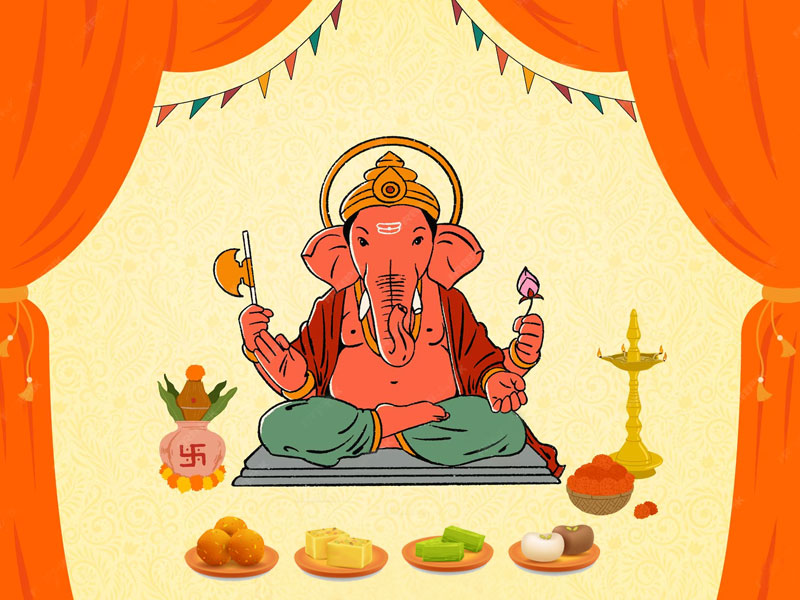
After that, as per the rules, worship Ganesha first. Meditate on Ganesha with flowers in your hand. Say the mantra
॥ अथः मंत्र ॥
गजाननम्भूतगणादिसेवितं कपित्थ जम्बू फलचारुभक्षणम्।
उमासुतं शोक विनाशकारकं नमामि विघ्नेश्वरपादपंकजम्।
Avahan Mantra speak with Akshat in hand
॥ अथः मंत्र ॥
ऊं गं गणपतये नमः इहागच्छ इह तिष्ठ स्थापयामि पूजयामि।।
Leave Akshat and flowers you hold in your hands on the Ganesh ji.
Padya, Arghya, Snan, Achaman Mantra
॥ अथः मंत्र ॥
एतानि पाद्याद्याचमनीय-स्नानीयं, पुनराचमनीयम् ऊं गं गणपतये नम:।
Apply Sandalwood with this mantra॥ अथः मंत्र ॥
इदम् रक्त चंदनम् लेपनम् ऊं गं गणपतये नम:,
After that, apply Srikhand sandalwood by saying Idam Shrikhand Chandanam. Now apply Sindoor
॥ अथः मंत्र ॥इदं सिन्दूराभरणं लेपनम् ऊं गं गणपतये नम:।
दूर्वा और विल्बपत्र भी गणेश जी को चढ़ाएं। गणेश जी को लाल वस्त्र पहनाएं।
इदं रक्त वस्त्रं ऊं गं गणपतये समर्पयामि।
Offer Prasad to Lord Ganesha
इदं नानाविधि नैवेद्यानि ऊं गं गणपतये समर्पयामि:।
Mantra for offering Naivedya
इदं शर्करा घृत युक्त नैवेद्यं ऊं गं गणपतये समर्पयामि:।
Now make the Achamanam with water.
इदं आचमनयं ऊं गं गणपतये नम:।
After that, give Paan Supari
इदं ताम्बूल पुगीफल समायुक्तं ऊं गं गणपतये समर्पयामि:।
Now take a flower and offer as Pushpanjali to Ganpati and say
एष: पुष्पान्जलि ऊं गं गणपतये नम:।
Then worship all the gods and goddesses including Kalash puja,then Kubera and the puja for Lord Vishnu ji like Ganesh Pujan. Just mention the names of the relevant gods and goddesses instead of Ganesha. For example, Kuberai Namah in the worship of Kuberji instead of Ganeshji and following mantra in the worship of Indra Dev.
॥ अथः मंत्र ॥
ॐ इन्द्रादि दशदिक्पालाय नमः
Diwali Lakshmi Pujan Vidhi Mantra
Now we have performed puja of all the gods and goddesses, including Lord Ganesha. In any puja, those who are considered important or prominent are worshipped last. For example, Diwali is mainly about Lakshmi Puja, and Ganesh Chaturthi is mainly about worshipping Lord Ganesha.
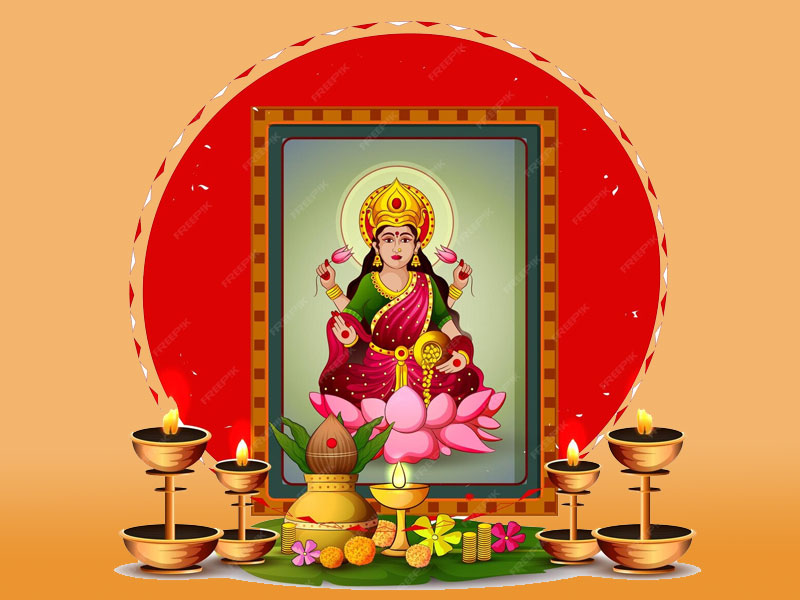
Let's meditate on Lakshmi's eyes. Well, the Vedic mantras of my father and the Sri Suktam mention Lakshmi. If there is any problem with the mantra, then you can meditate on Lakshmi's eyes in this way.
First meditate on Mata Lakshmi:
॥ अथः मंत्र ॥
ॐ आदित्यवर्णे तपसोधिजातो वनस्पतिस्तव वृक्षोथ बिल्वः ।
तस्य फलानि तपसा नुदन्तु मायान्तरायाश्च बाह्या अलक्ष्मीः ॥
ॐ उपैतु मां देवसखः कीर्तिश्च मणिना सह ।
प्रादुर्भूतो सुराष्ट्रेस्मिन कीर्तिमृद्धिं ददातु में ॥
Now recite following mantra with Akshat in hand
॥ अथः मंत्र ॥
ॐ भूर्भुवः स्वः महालक्ष्मी, इहागच्छ इह तिष्ठ,
एतानि पाद्याद्याचमनीय-स्नानीयं, पुनराचमनीयम्।
प्रतिष्ठा के बाद स्नान कराएं:
ॐ मन्दाकिन्या समानीतैः, हेमाम्भोरुह-वासितैः
स्नानं कुरुष्व देवेशि, सलिलं च सुगन्धिभिः।।
ॐ लक्ष्म्यै नमः।। इदं रक्त चंदनम् लेपनम् से रक्त चंदन लगाएं।
इदं सिन्दूराभरणं से सिन्दूर लगाएं। ॐ मन्दार-पारिजाताद्यैः,
अनेकैः कुसुमैः शुभैः। पूजयामि शिवे, भक्तया, कमलायै नमो नमः।।
ॐ लक्ष्म्यै नमः, पुष्पाणि समर्पयामि।
Now, offer flowers with this mantra, then wear a garland.
॥ अथः मंत्र ॥
इदं रक्त वस्त्र समर्पयामि कहकर लाल वस्त्र पहनाएं।
Then show the incense, the deep to goddess.Goddess Lakshmi Anga Puja Mantra and Method
Hold rice grains in your left hand and release them little by little with your right hand on Goddess Lakshmi of different parts of body as mentioned in the following mantra.
॥ अथः मंत्र ॥
ऊं चपलायै नम: पादौ पूजयामि
ऊं चंचलायै नम: जानूं पूजयामि,
ऊं कमलायै नम: कटि पूजयामि,
ऊं कात्यायिन्यै नम: नाभि पूजयामि,
ऊं जगन्मातरे नम: जठरं पूजयामि,
ऊं विश्ववल्लभायै नम: वक्षस्थल पूजयामि,
ऊं कमलवासिन्यै नम: भुजौ पूजयामि,
ऊं कमल पत्राक्ष्य नम: नेत्रत्रयं पूजयामि,
ऊं श्रियै नम: शिरं: पूजयामि।
Ashta Siddhi Puja Mantra and Method
These are the 8 siddhis that Mother Sita, who is the embodiment of Goddess Lakshmi and the mother of the universe, gave to Hanuman ji.
These 8 siddhis are Anima, Mahima, Garima, Laghima, Prapti, Prakamya, Ishitva, and Vashitva. We will describe these 8 siddhis in another topic because this article has already become quite long. So, we will perform the puja of these 8 siddhis here. Keep chanting the mantra and offer a little rice grains into the hands of Goddess Lakshmi.
Similar to the ritual of worshipping the body parts, hold rice grains in your hand and recite the mantra.
॥ अथः मंत्र ॥
ऊं अणिम्ने नम:, ओं महिम्ने नम:, ऊं गरिम्णे नम:,
ओं लघिम्ने नम:, ऊं प्राप्त्यै नम: ऊं प्राकाम्यै नम:,
ऊं ईशितायै नम: ओं वशितायै नम:।
After this, we will perform the worship of Ashta Lakshmi. The Eight Lakshmis are Adya Lakshmi, Dhana Lakshmi, Dhanya Lakshmi, Gaja Lakshmi, Santana Lakshmi, Veera Lakshmi, Vijaya Lakshmi, and Aishwarya Lakshmi.
Ashta Lakshmi Puja Mantra and MethodSimilar to Anga Puja and Ashtasiddhi Puja, hold rice grains in your hand and chant the mantras, offering rice and flowers to the goddess.
॥ अथः मंत्र ॥
1) ॐ आद्यलक्ष्मये नमः
2) ॐ धन लक्ष्म्यै नमः
3) ॐ धन्य लक्ष्म्यै नमः
4) ॐ गज लक्ष्म्यै नमः
5) ॐ संतान लक्ष्म्यै नमः
6) ॐ वीर लक्ष्म्यै नमः
7) ॐ विजय लक्ष्म्यै नमः
8) ॐ ऐश्वर्य लक्ष्म्यै नमः
Mantra for offering Naivedya
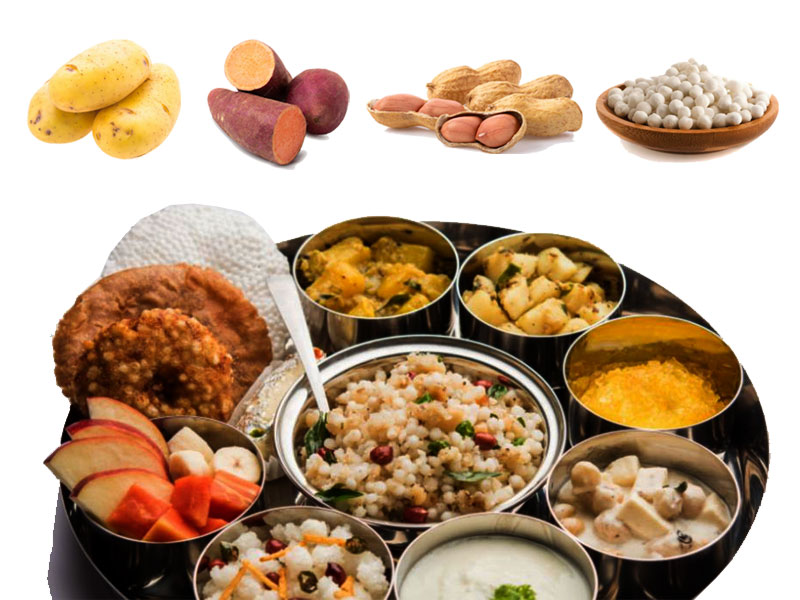
Offer the satvik food by offering with this mantra. Mantra for offering sweets.
॥ अथः मंत्र ॥इदं शर्करा घृत समायुक्तं नैवेद्यं ऊं महालक्ष्मियै समर्पयामि”।
After offering the prasad, instruct them to perform achamana (ritualistic sipping of water).
॥ अथः मंत्र ॥
इदं आचमनयं ऊं महालक्ष्मियै नम:।
Then offer betel leaves and betel nuts.
॥ अथः मंत्र ॥
इदं ताम्बूल पुगीफल समायुक्तं ऊं महालक्ष्मियै समर्पयामि।
Now take a flower and offer it to Goddess Lakshmi, saying,
॥ अथः मंत्र ॥
एष: पुष्पान्जलि ऊं महालक्ष्मियै नम:।
After worshipping Goddess Lakshmi, it is customary to worship Lord Vishnu and Lord Shiva. Businessmen should worship their account books.
After the puja, perform the aarti of Goddess Lakshmi, and after the aarti, be sure to offer a prayer of forgiveness.
Some people say that there is no aarti for Goddess Lakshmi. Why? Because they believe that after the aarti, Goddess Lakshmi leaves because she is very fickle. Oh brother! come on are you kidding? If it is in your destiny that Lakshmi will stay with you, she will not go anywhere. If it's not in your destiny, no amount of worship or rituals will help to achieve wealth.
However, hard work definitely changes one's destiny; I say this based on astrology, and Lakshmi will surely come. Whether to perform the aarti or not, all these are just made-up beliefs, nothing else.
After the puja is complete, take the prasad and distribute it to others.


.jpg "Kanjak Puja: Significance, Importance of Kanjak Puja in Navaratri")
0 Comments
Leave a Reply
Your email address will not be published. Required fields are marked *