Grishneshwar Jyotirlinga

Grishneshwar Jyotirlinga Complete Knowledge
| Added by: Astro Editorial Team

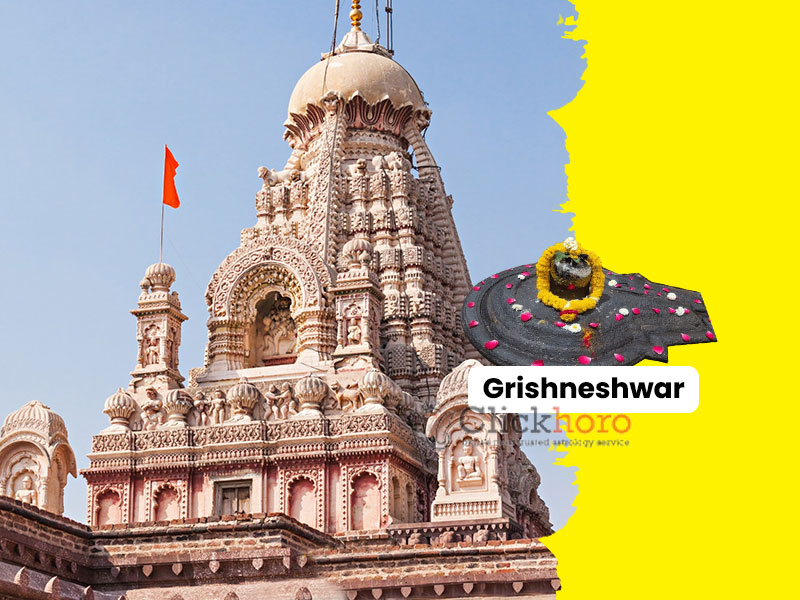
About Grishneshwar Jyotirlinga (घृष्णेश्वर ज्योतिर्लिंग)

Ghrishneshwar is a Hindu temple, where Lord Shiva is worshipped, located in Verul village of Aurangabad district, Maharashtra. The history of Ghrishneshwar Jyotirlinga temple is quite interesting. It is said about this temple that very little information is available about when this temple was built. This is the fourth prime jyotirlinga among the 12 jyotirlingas of Lord Shiva.

Mughal Emperors Destroyed the Temple

The temple structure was destroyed by the Delhi Sultanate in the 13th and 14th centuries. The temple went through several periods of reconstruction and then again destruction during the Mughal-Maratha war.

Shivaji's grandfather Maloji Bhosale first renovated it in the 16th century and rebuilt it in its present form in the 18th century under the sponsorship of Queen Ahilyabai Holkar of Indore after the fall of the Mughal Empire. You will also get about the Grushaneshwar is mentioned in Shiva Purana, Skanda Purana. Ramayana and Mahabharata.

The Temple Re-Built by Queen Ahilyabai Holkar

According to mythological belief, it is said that the last renovation of Ghrishneshwar Jyotirlinga temple was done by Queen Ahilyabai Holkar (रानी अहिल्याबाई होल्कर) in the 18th century. However, there is no full proof of this yet, very little evidence is available.

The Story of Grishneshwar Jyotirlinga

The mythological story of Ghrishneshwar Jyotirlinga is quite interesting. It is said that a Brahmin named “Sudharma” and his wife “Sudeha” lived near Devagiri Mountain, but they had no children. Due to not having children, Sudeha got her younger sister Ghushma married to a Brahmin. Ghushma was a great devotee of Lord Shiva and she used to make 100 earthly Shivalingas and worship them every day and immerse them in the pond.

By the grace of Shiva devotion, Ghushma got a son, but Sudharma could not see this and he killed the child and threw it in the same pond. Even after the death of the child, Gushma did not get upset, still she remained absorbed in the devotion of Shiva, and one day she would perform such a miracle which would surprise everyone. The Brahman threw which baby in the pond in the same pond she was found alive in the same pond.

It is said that Lord Shiva was very happy to see Ghushma's devotion and appeared at the same place where Ghrishneshwar Jyotirlinga is established today. There is a belief about Ghrishneshwar Jyotirling that it is Swayambhu and the last Jyotirling. According to mythological belief, whoever comes here for darshan with a true heart, all his wishes are definitely fulfilled here.

Especially on the occasion of Shivratri and Mahashivratri, there is a crowd of devotees here. Thousands of devotees reach here every day during the month of Sawan or August. Especially, on Monday of Sawan, devotees from every corner of the country come to offer water. In Saavan, people are also lining up with the “Kaanwad Yatra”.

How to reach Ghrishneshwar Jyotirlinga

It is very easy to reach Ghrishneshwar Jyotirlinga. For this you can reach from any corner of the country. For your information:

By Railways

The nearest railway station is Aurangabad. You can easily reach Ghrishneshwar Jyotirlinga by taking a taxi or cab from the railway station.

By Air

If you want to reach Ghrishneshwar Jyotirlinga through air travel, then for your information let us tell you that you can reach Aurangabad Airport.

By Road

You can reach Ghrishneshwar Jyotirling located in Daulatabad by taking a local taxi or cab from Aurangabad airport.

Ghrishneshwar Jyotirlinga in Google Map

Frequent Asked Questions(FAQs)

Kedarnath Dham typically opens in late April or May and closes in October or November. Specifically, the temple doors open on Akshaya Tritiya and close on the day following Diwali.

To reach Kedarnath, you must first travel to Haridwar, Rishikesh, or Dehradun. From there, you need to proceed to Sonprayag or Gaurikund. From Gaurikund, a 16-kilometer trek on foot is required to reach Kedarnath.

The best time to visit is from May to June and from September to October. This is because, during these periods, rainfall is not heavy enough to pose a risk of landslides, nor is the weather excessively cold.

For Darshan (viewing) at Kedarnath, the temple remains open from 4:00 AM until 4:00 PM.

The Grishneshwar Jyotirlinga is situated in the Chhatrapati Sambhajinagar (formerly Aurangabad) district of the state of Maharashtra. It is located in a village named Verul, where the temple of Lord Grishneshwar stands.

Aarti is performed three times a day at the Grishneshwar temple: once early in the morning at 4:00 AM though this timing is subject to change, particularly in case of inclement weather, once at 12:00 PM (noon), and finally, the Mangal Aarti is held at 9:30 PM at night.

The best time to visit Grishneshwar Jyotirlinga is during the months of October to March. This period offers pleasant weather neither too hot nor too cold making it the ideal time for sightseeing and exploration.

If you wish to visit of the Grishneshwar Jyotirlinga, you must first travel to Aurangabad. You can reach Aurangabad by road, air, or train. From Aurangabad, you then need to proceed to Verul village, a journey that typically takes about one hour. The Grishneshwar Temple is situated within Verul village.

Women are prohibited from entering the sanctum sanctorum where the Shivalinga is located during the Bhasma Aarti. They can view the Aarti from the Nandi Hall or from outside, behind a curtain.

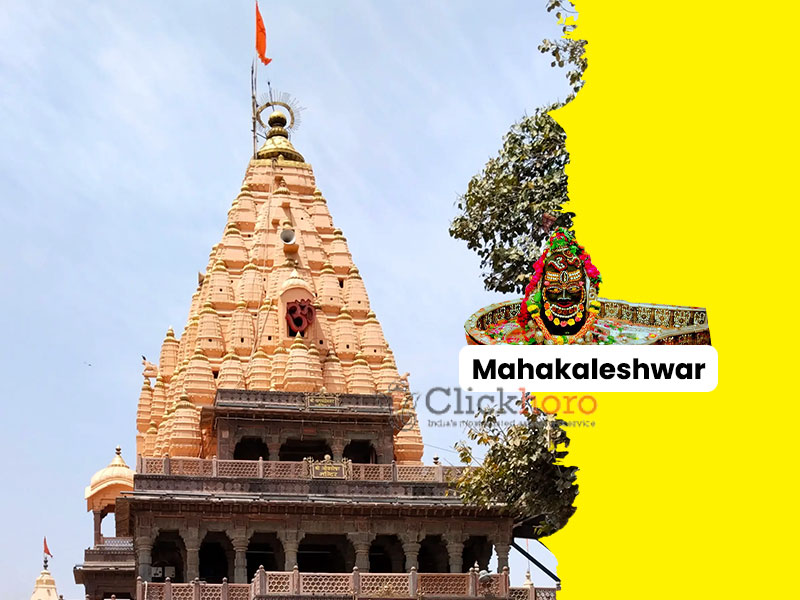
The Mahakaleshwar Jyotirlinga is located on the banks of the Kshipra River in Ujjain city, Madhya Pradesh, India.

The timing of Bhasma Aarti at the Mahakaleshwar Temple is from 4:00 AM to 6:00 AM in the early morning.

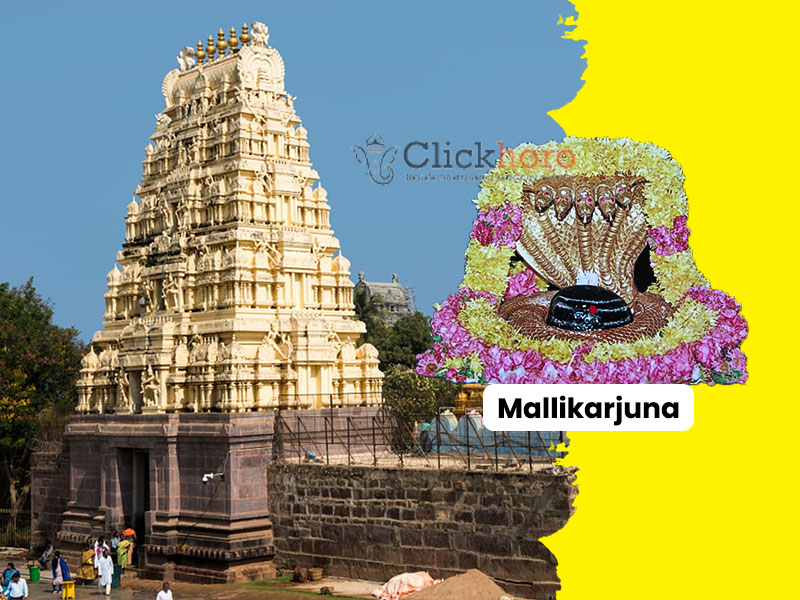
Malikarjuna Jyotirlinga is situated in Sree Sailam of Andhra Pradesh. Where are you coming from India? You came to Hyderabad and from there. You will get everything by train, by air and by road. The nearest railway station is Marakpur Road, around 85KM from Kurnool.

In Malikarjuna Jyotirlinga, there is a wonderful confluence of Shiva and Shakti (Parvati). This is the only place in India where the Jyotirlinga of Lord Shiva (Mallikarjuna) and the Shaktipeeth of Mother Parvati (Bhramaramba) are present in the same temple complex.

Yes, here Lord Shiva is present in the form of Mallikarjuna and Mother Parvati is present in the form of Bhramaramba. Here Devi Bhramaramba is 18th number of Shakti Peetha.

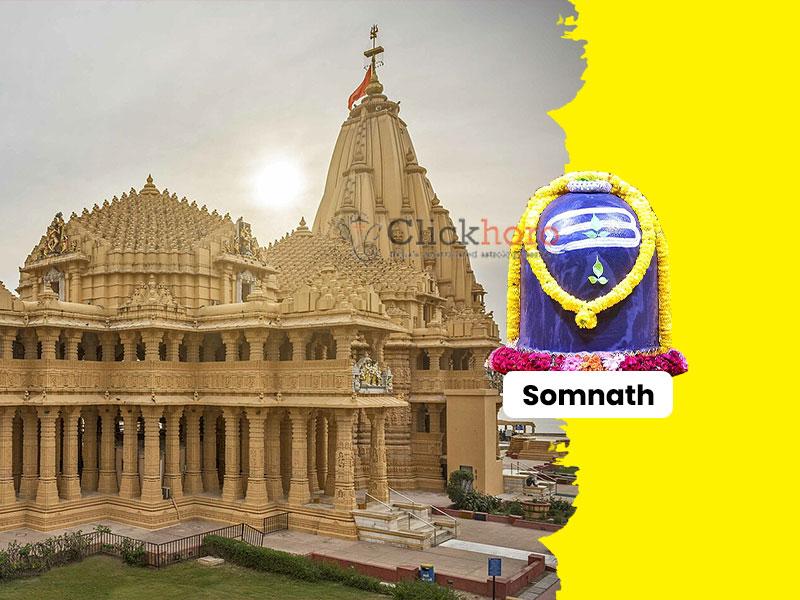
The darshan of Somnath temple is from 6:00 AM to 10:00 PM.

The nearest railway station is Somnath Railway Station. Besides this, Veraval junction, Junagadh Junction are also the near to Somnath Temple.

Mobile, cameras, smart watches, electronic gadgets, laptops, leather items like belts, purse, wallets, bags, luggage and foods are not allowed inside the temple.

The Moon or Chandra which is known as “Soma Dev” built and worshiped the original Shiva Lingam in gold to regain its lost luster, which gives the temple its name as Somnath. Somanth Jyotirlingam is called the 1st Jyotirlingam.

It is written in Hindu scriptures that in ancient times, sages and saints believed that the moon god (Som Dev) established a Shivalingam of Lord Shiva here and performed severe penance to free himself from the curse of Daksha Prajapati. Hence, it is known as Somnath.

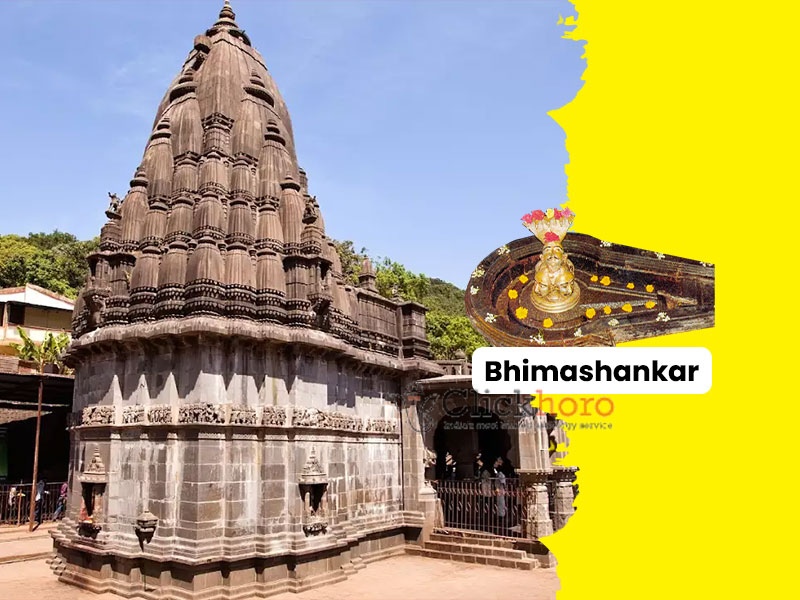
Bhimashankar Jyotirlinga is located in Bhorgiri village, Maharashtra, around 110-120 km from Pune city.

The darshan timing of Bhimashankar Jyotirlinga is from 4:30 AM to 9:30 PM.

Bhimashankar Jyotirlinga is the 6th Jyotirlinga. This place is especially known for its religious significance, beautiful architecture, and rich natural diversity. According to Hindu mythology, Lord Shiva killed Bhasmasura here, and during the battle, he sweated profusely. Later, it took the form of a river, which is known today as the Bhima River.

The Bhimashankar Jyotirlinga temple doors generally open at 4:30 AM for the Kakada Aarti and close at 9:30 PM. For Abhishek Pujas, you can typically book between 5:30 AM and 12:00 PM, and again in the afternoon from 12:30 PM to 4:00 PM.

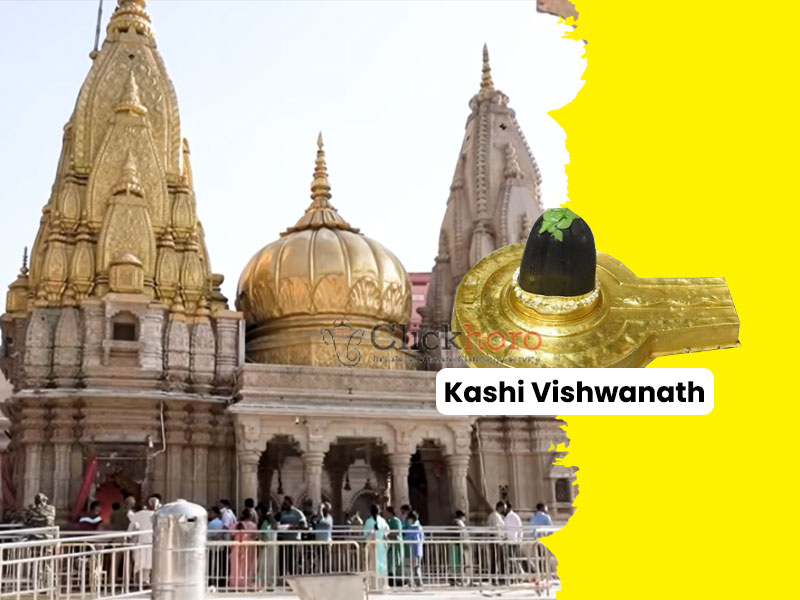
There is 5 times Aarti performed in Kashi Vishwanath Temple. The temple generally opens in 2:30 AM and closes 11:00PM daily.

The Arti Timing is basically like following:

Day time

Mangla Aarti: 3:00 AM to 4:00 AM

Bhog Aarti: 11:15 AM to 12:20 PM

Night Time

Saptarishi Aarti: 7:00 PM to 8:15 PM

Shringar and Bhog Aarti: 9:00 PM to 10:15PM

Shayan Aarti: 10:30 PM to 11:00 PM

Mandir opens in very early 2:30 AM, go very early for Mangala Aarti. You will see calm and empty lanes. If you want to entertain lights and music with Aarti, come in the evening aarti called Saptarishi Aarti. You will be experienced a huge crowd.

Carry a printed ticket and an ID. Some entries ask for ID like Aadhar Card, Election I Card, Driving License, Passport. Carry a small water bottle and basic medicines for headache, stomach, loose motion. Keep some changes for autos and small shops. Big notes can be hard to change in lanes.

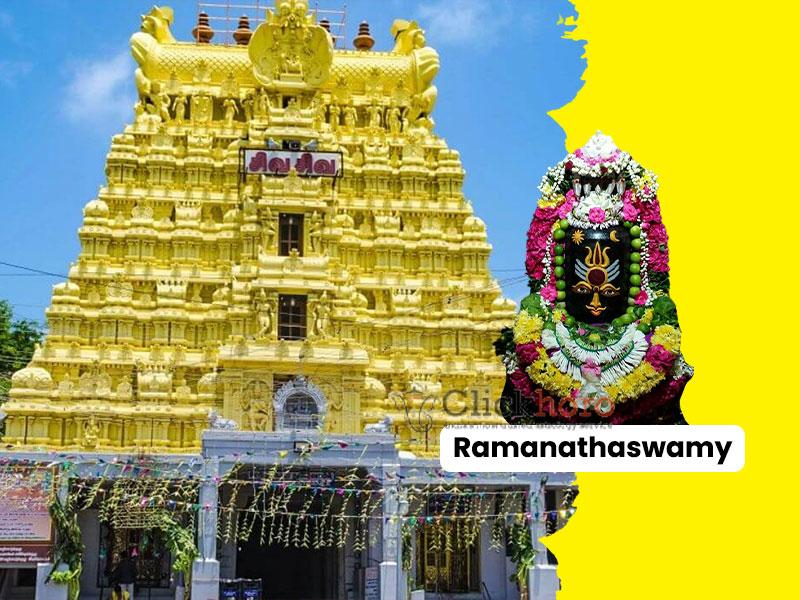
The Rameshwaram Jyotirlingam was consecrated by Lord Rama to mark the inauguration of the union. He invited Ravana as a priest to consecrate the Shivalingam. That is why this Jyotirlingam is known as Rameshwaram. Most importantly, Rameshwaram is one of the 12 Jyotirlingams and is one of the four Dhams.

Rameswaram is one of the four Dhams and is one of the 12 Jyotirlingams. Therefore, people go there to attain salvation, liberation from sins, and to pay homage to their ancestors and perform the immersion of ashes.

October to March are the best months to visit Rameshwaram temple. Because that time is neither very hot nor very cold, and is the best time to travel anywhere in India.

Yes, there is a strict dress code for darshan at Rameshwaram Jyotirlinga. To maintain the sanctity of the temple, all devotees are advised to wear modest and traditional Indian clothing. For men, dhoti and shirt, or kurta-pajama. For women, saree or salwar kameez with dupatta. Avoid jeans, short dresses, t-shirts, shirts, and transparent dresses.

Yes, women are fully permitted entry into the Ramanathaswamy Temple in Rameshwaram! Women can not only visit the temple, but can also bathe in the 22 sacred ponds called “Theerthams” inside the temple before entering the main sanctum sanctorum. But only in sarees, salwar suits, with dupattas. Women in wet and filthy clothes are strictly prohibited.

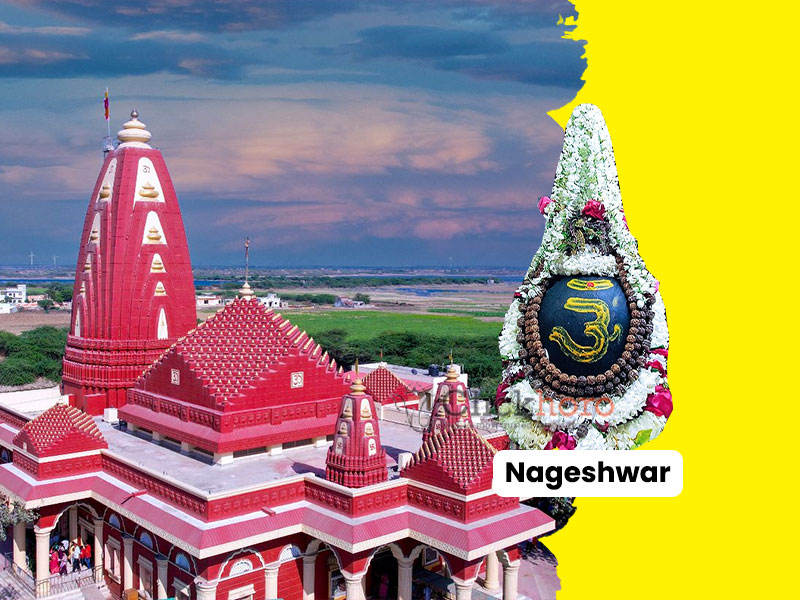
The Nageshwar Jyotirlinga is located on the Saurashtra coast in Gujarat, India. It is situated just 17 km from the city of Dwarka. The exact location is Daarukavanam, Goriyali, Gujarat-361335.

The timings for Darshan at Nageshwar Temple are from 5:30 AM to 9:00 PM.

No cameras, mobile phones, and other electronic gadgets are not allowed inside Nageshwar Temple. Furthermore, please note that in India, for security reasons, mobile phones, cameras, and electronic gadgets are generally not permitted inside any major temple, Jyotirlinga shrine, or pilgrimage site (Dham).

0 Comments

Leave a Reply

Your email address will not be published. Required fields are marked *