Omkareshwar Jyotirlinga Complete Guide

Omkareshwar Jyotirlinga Complete Guide
| Added by:

The Significance of OMM(ॐ) Mantra

The most divine and powerful mantra in Hinduism is OMM which is a one-syllable mantra and a sacred sound. OMM mantra is chanted for concentration power for meditation. Omm is called mantra raj, it is chanted at the beginning of every mantra and then the rest of the mantra is chanted, be it any god or goddess.

Chanting the "Omkar" mantra provides many deep benefits physically, mentally and spiritually, which include reducing stress, lowering blood pressure, improving concentration and increasing emotional balance. The Omm sound is an elixir for our body.

Those who suffer from sleep problems, anxiety or depression, chanting the OMM mantra before going to sleep for a few days continuously helps in getting rid of problems like hypertension and depression.

Being a sacred sound, it resonates throughout the body Omkareshwar from Om, Omkareshwar means "Lord of Omm", this universe is created from OMM. And the owner of this creation is Lord Shiva, who is the Akashya, the Senses and the Supreme Brahma Parmeshwar.

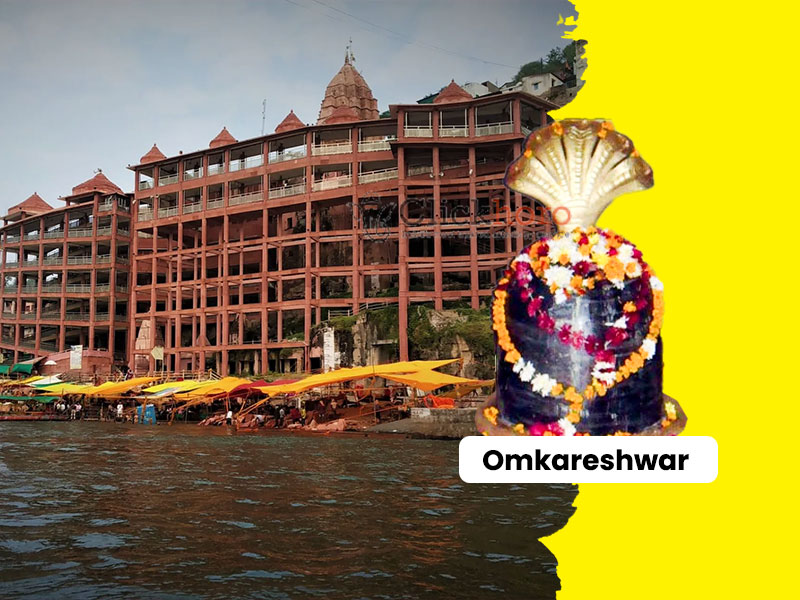
We are talking about the Omkareshwar Jyotirlinga. It is the 12th Jyotirlinga which is in Khandwa district of Madhya Pradesh. This is a very ancient temple, at this place there is a small river island called Mandhata or Shivpuri, on which Omkareshwar temple is built, it is believed that this temple is built in the shape of Devanagari letter "Omm". There is another temple near Omkareshwar temple, it is known as Mamleshwar.

This Jyotirlinga of Khandwa district is situated about 14 kilometers away from Mortakka village. It is situated on an island and the shape of this island is Omm and it is based on the banks of Narmada River which is a sacred and revered river in India.

It is said that Omkareshwar was formed by the Narmada River itself. You must be aware that natural Shivlinga is found in the Narmada River and it is very famous by the name Narmada Shivalinga.

The Significance of Narmada River

If I say anything about Narmada River, then what should I say, Narmada is as sacred and sacred as Ganga. Visiting Narmada River, bathing in Narmada, doing Parikrama of Narmada, all this is connected to the karma of your previous birth.

Only those who have good sanskar and who have good Jupiter can do all this, because in spiritual line and in all these things, they have faith and trust and its importance is known only to those who have faith in God. For other people, it is just a river like others.

Narmada river is also called the lifeline of Madhya Pradesh. This river supplies drinking water to the three states of Maharashtra, Gujarat, and Madhya Pradesh. Narmada means "The Giver of Joy." It is believed that visiting the Narmada and bathing in it provides the same benefits as bathing in the Yamuna for 15 days or the Ganga for 7 days.

The King Mandhata Worship Omkareshwar?

The king Mandhata was a very powerful Chakravarti king of the Ikshvaku dynasty, a descendant of Lord Rama of the Surya dynasty of ancient India, who ruled Ayodhya.

Mandhata was the son of King Yuvanashva, born due to a miraculous incident. He was born not from his mother's womb but from his father's womb. Very surprising! Right? This is another story will tell you later.

He conquered all the three worlds and even defeated Ravana and was famous for his generosity and devotion to religion. King Mandhata pleased Lord Shiva by doing severe penance on this mountain on the banks of Narmada. When Shiva appeared, he asked Shivaji for a boon to reside here.

Shivaji gave Mandhata Ashrivada and he transformed into the Shiva Linga established there by King Mandhata. When Shivaji himself enthroned the Linga, it became known as Jyotirlinga. This famous pilgrimage town came to be known as Omkar-Mandhata Island.

The Vindhya Parvat Worship Omkareshwar?

It is said that no matter how many pilgrimage sites a devotee visits, if he does not offer water from all his pilgrimages to the Omkareshwar Jyotirlinga, all his pilgrimages are considered incomplete.

It is said that, Vindhya Parvat went to Mandhata Island to perform severe penance to obtain a boon from the supreme power Lord Shiva and established a Shivalinga from clay and started worshipping it. After a few years, seeing this worship of Vindhya with utmost devotion and discipline, Lord Shiva was pleased and appeared to him in a form which is not visible even to ascetics and yogis.

Lord Shiva said, "Hey! Vindhya, I am pleased with your penance. You can ask for anything you wish. I fulfil the prayers of my true devotees." Vindhya replied with folded hands, "O Lord, what do I ask of you? You are the eternal and kind to your devotees. If you are pleased with me, please grant me these boons with the following:

1) May all my endeavors be successful, and

2) May you grant me wisdom that will enable me to achieve my goals."

Lord Shiva realized that if he granted him such a boon, he might misuse it. He nevertheless, as per his promise, granted him the boon and said, “Dear Vindhya, whatever you wish will happen.” After that, by this time, all the gods and sages had come to know that Lord Shiva was with Vindhya in Mandhata Island.

They all came to visit Shiva and requested him to reside there forever. Lord Shiva, who is always kind to his devotees, accepted their prayer. Jyotirlinga is the place where Shivaji had granted the boon to reside at that very place. It is said that when negativity in life becomes excessive, and a person is unable to leave behind the sins of previous births, then you should visit Jyotirlinga.

This is mentioned in many Puranas. That is why Lord Shiva is called "Akarma Karma Dayak (अकर्म कर्म दयाक)." This means that even if what you want is not in your destiny, the one who can give it to you is Lord Shiva.

Shiva merged into two Shivalinga. One form of Shiva, the Pranava or Omkar form, was wrapped around the clay Shivalinga and came to be known as the Omkareshwar Shivalinga.

The other form is called Sadashiva or Parameshwar and is enshrined in the Amareshwar or Mamleshwar temple located nearby on the banks of the Narmada River. It is believed that Lord Shiva's permanent residence nearby ensured that Vindhya did not use his powers for any evil purpose.

I say that whenever you get time, you must visit Omkareshwar Ji, whether you visit any Jyotirlinga, you will feel completely different and changes will definitely come in your life. ॐ नमो भगवते वासुदेवाय!

How to Reach Omkareshwar

By Air

The nearest major airport is Devi Ahilyabai Holkar Airport (IDR), Indore, located approximately 77 km from Omkareshwar Temple. From the airport, you can take a transit taxi or bus from Indore to Omkareshwar, which takes 2 to 3 hours.

By Train

The nearest major station is Khandwa Junction, about 75 to 77 km from the temple. It is the easiest to access for long-distance trains, with frequent bus and taxi connections.

The nearest local station is Omkareshwar Road (OM), a small station near Mortakka village, about 12 km from the temple, which handles most of the local passenger trains.

By Road

The approximately 80 km drive from Indore to the temple via MP State Highway 27 will take 2 to 3 hours. If you travel from Khandwa, it's only a 1.5 to 2.5 hour drive.

If you travel by bus, regular private and government buses are available from Indore, Ujjain, and Khandwa.

Omkareshwar Jyotirlinga in Google Map

Frequent Asked Questions(FAQs)

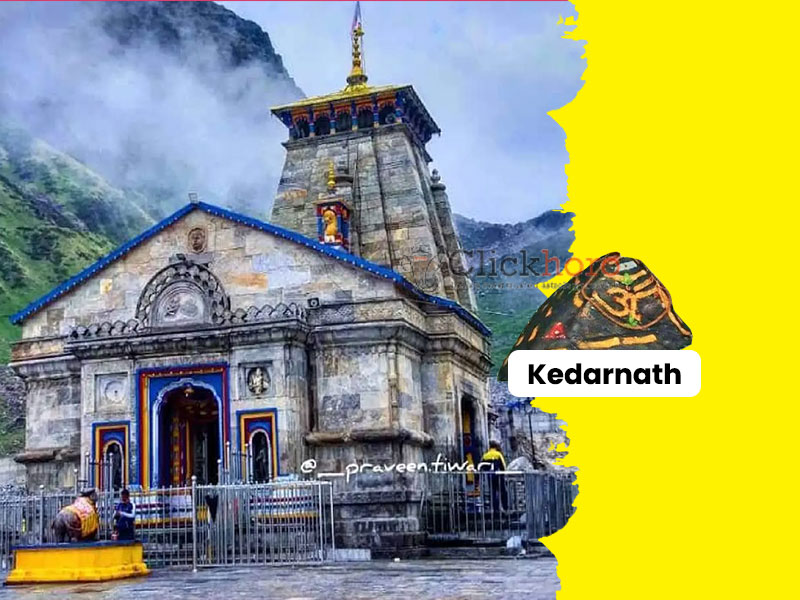
Kedarnath Dham typically opens in late April or May and closes in October or November. Specifically, the temple doors open on Akshaya Tritiya and close on the day following Diwali.

To reach Kedarnath, you must first travel to Haridwar, Rishikesh, or Dehradun. From there, you need to proceed to Sonprayag or Gaurikund. From Gaurikund, a 16-kilometer trek on foot is required to reach Kedarnath.

The best time to visit is from May to June and from September to October. This is because, during these periods, rainfall is not heavy enough to pose a risk of landslides, nor is the weather excessively cold.

For Darshan (viewing) at Kedarnath, the temple remains open from 4:00 AM until 4:00 PM.

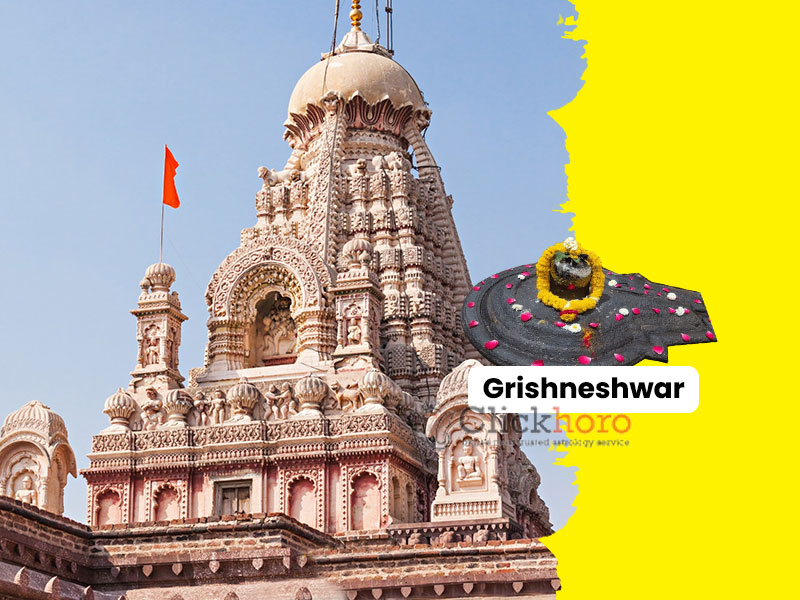
The Grishneshwar Jyotirlinga is situated in the Chhatrapati Sambhajinagar (formerly Aurangabad) district of the state of Maharashtra. It is located in a village named Verul, where the temple of Lord Grishneshwar stands.

Aarti is performed three times a day at the Grishneshwar temple: once early in the morning at 4:00 AM though this timing is subject to change, particularly in case of inclement weather, once at 12:00 PM (noon), and finally, the Mangal Aarti is held at 9:30 PM at night.

The best time to visit Grishneshwar Jyotirlinga is during the months of October to March. This period offers pleasant weather neither too hot nor too cold making it the ideal time for sightseeing and exploration.

If you wish to visit of the Grishneshwar Jyotirlinga, you must first travel to Aurangabad. You can reach Aurangabad by road, air, or train. From Aurangabad, you then need to proceed to Verul village, a journey that typically takes about one hour. The Grishneshwar Temple is situated within Verul village.

Women are prohibited from entering the sanctum sanctorum where the Shivalinga is located during the Bhasma Aarti. They can view the Aarti from the Nandi Hall or from outside, behind a curtain.

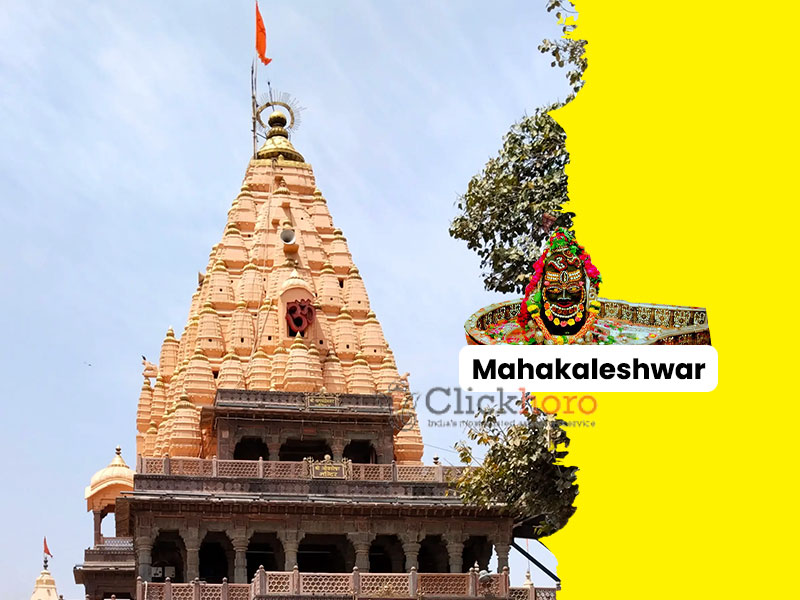
The Mahakaleshwar Jyotirlinga is located on the banks of the Kshipra River in Ujjain city, Madhya Pradesh, India.

The timing of Bhasma Aarti at the Mahakaleshwar Temple is from 4:00 AM to 6:00 AM in the early morning.

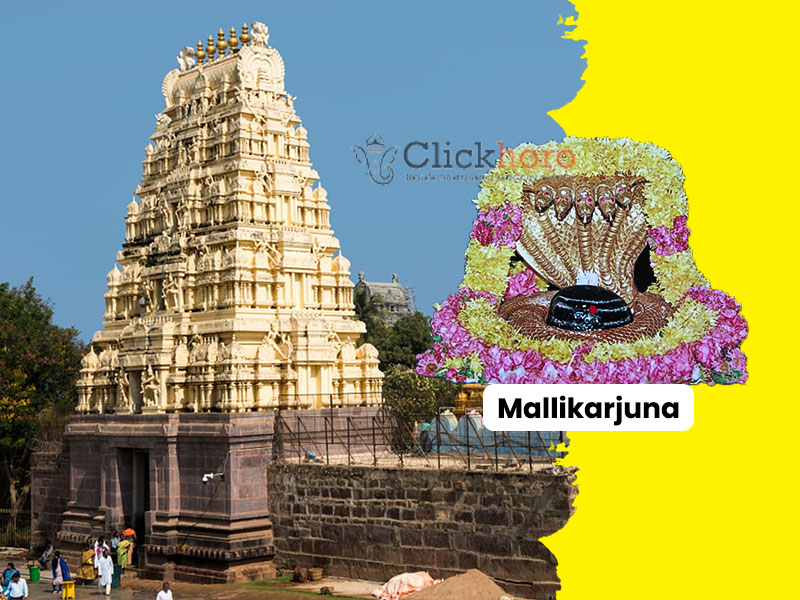
Malikarjuna Jyotirlinga is situated in Sree Sailam of Andhra Pradesh. Where are you coming from India? You came to Hyderabad and from there. You will get everything by train, by air and by road. The nearest railway station is Marakpur Road, around 85KM from Kurnool.

In Malikarjuna Jyotirlinga, there is a wonderful confluence of Shiva and Shakti (Parvati). This is the only place in India where the Jyotirlinga of Lord Shiva (Mallikarjuna) and the Shaktipeeth of Mother Parvati (Bhramaramba) are present in the same temple complex.

Yes, here Lord Shiva is present in the form of Mallikarjuna and Mother Parvati is present in the form of Bhramaramba. Here Devi Bhramaramba is 18th number of Shakti Peetha.

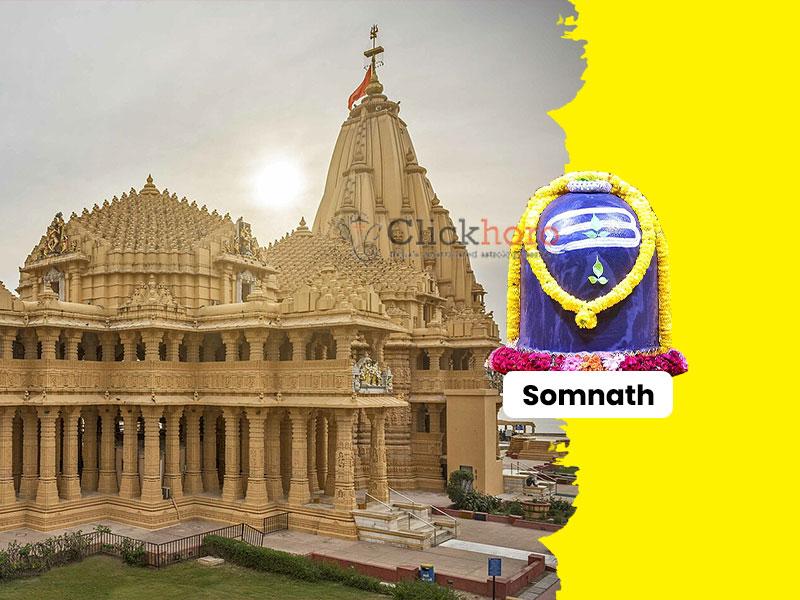
The darshan of Somnath temple is from 6:00 AM to 10:00 PM.

The nearest railway station is Somnath Railway Station. Besides this, Veraval junction, Junagadh Junction are also the near to Somnath Temple.

Mobile, cameras, smart watches, electronic gadgets, laptops, leather items like belts, purse, wallets, bags, luggage and foods are not allowed inside the temple.

The Moon or Chandra which is known as “Soma Dev” built and worshiped the original Shiva Lingam in gold to regain its lost luster, which gives the temple its name as Somnath. Somanth Jyotirlingam is called the 1st Jyotirlingam.

It is written in Hindu scriptures that in ancient times, sages and saints believed that the moon god (Som Dev) established a Shivalingam of Lord Shiva here and performed severe penance to free himself from the curse of Daksha Prajapati. Hence, it is known as Somnath.

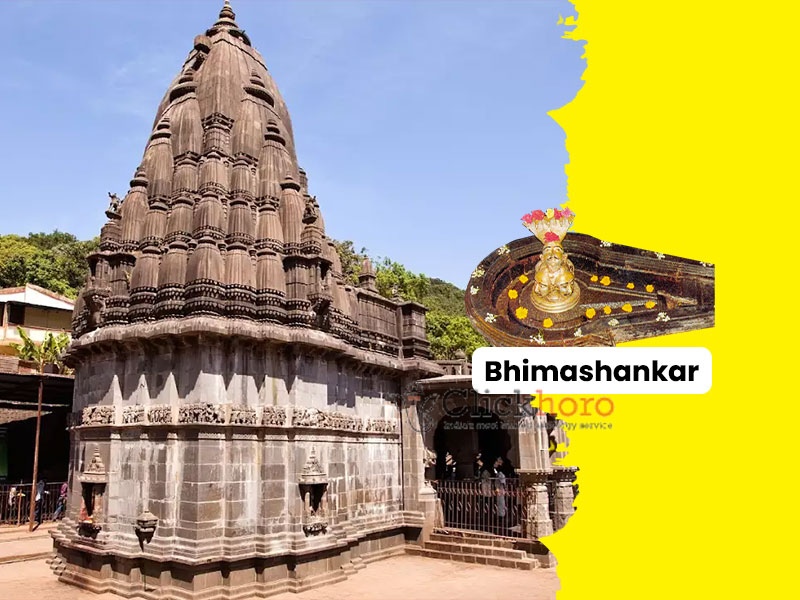
Bhimashankar Jyotirlinga is located in Bhorgiri village, Maharashtra, around 110-120 km from Pune city.

The darshan timing of Bhimashankar Jyotirlinga is from 4:30 AM to 9:30 PM.

Bhimashankar Jyotirlinga is the 6th Jyotirlinga. This place is especially known for its religious significance, beautiful architecture, and rich natural diversity. According to Hindu mythology, Lord Shiva killed Bhasmasura here, and during the battle, he sweated profusely. Later, it took the form of a river, which is known today as the Bhima River.

The Bhimashankar Jyotirlinga temple doors generally open at 4:30 AM for the Kakada Aarti and close at 9:30 PM. For Abhishek Pujas, you can typically book between 5:30 AM and 12:00 PM, and again in the afternoon from 12:30 PM to 4:00 PM.

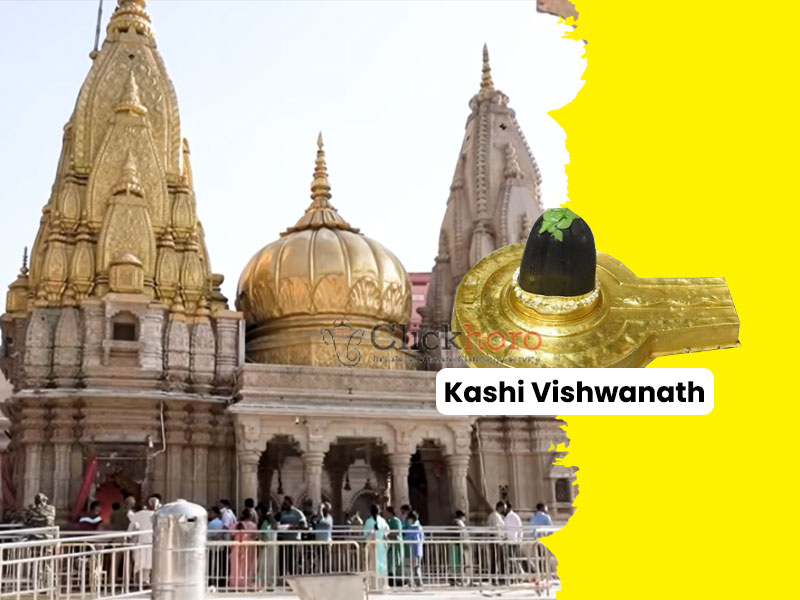
There is 5 times Aarti performed in Kashi Vishwanath Temple. The temple generally opens in 2:30 AM and closes 11:00PM daily.

The Arti Timing is basically like following:

Day time

Mangla Aarti: 3:00 AM to 4:00 AM

Bhog Aarti: 11:15 AM to 12:20 PM

Night Time

Saptarishi Aarti: 7:00 PM to 8:15 PM

Shringar and Bhog Aarti: 9:00 PM to 10:15PM

Shayan Aarti: 10:30 PM to 11:00 PM

Mandir opens in very early 2:30 AM, go very early for Mangala Aarti. You will see calm and empty lanes. If you want to entertain lights and music with Aarti, come in the evening aarti called Saptarishi Aarti. You will be experienced a huge crowd.

Carry a printed ticket and an ID. Some entries ask for ID like Aadhar Card, Election I Card, Driving License, Passport. Carry a small water bottle and basic medicines for headache, stomach, loose motion. Keep some changes for autos and small shops. Big notes can be hard to change in lanes.

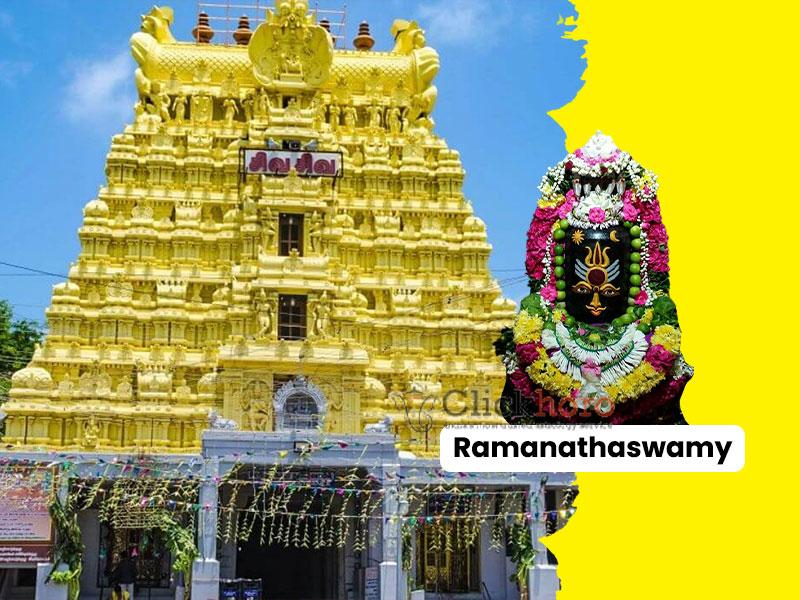
The Rameshwaram Jyotirlingam was consecrated by Lord Rama to mark the inauguration of the union. He invited Ravana as a priest to consecrate the Shivalingam. That is why this Jyotirlingam is known as Rameshwaram. Most importantly, Rameshwaram is one of the 12 Jyotirlingams and is one of the four Dhams.

Rameswaram is one of the four Dhams and is one of the 12 Jyotirlingams. Therefore, people go there to attain salvation, liberation from sins, and to pay homage to their ancestors and perform the immersion of ashes.

October to March are the best months to visit Rameshwaram temple. Because that time is neither very hot nor very cold, and is the best time to travel anywhere in India.

Yes, there is a strict dress code for darshan at Rameshwaram Jyotirlinga. To maintain the sanctity of the temple, all devotees are advised to wear modest and traditional Indian clothing. For men, dhoti and shirt, or kurta-pajama. For women, saree or salwar kameez with dupatta. Avoid jeans, short dresses, t-shirts, shirts, and transparent dresses.

Yes, women are fully permitted entry into the Ramanathaswamy Temple in Rameshwaram! Women can not only visit the temple, but can also bathe in the 22 sacred ponds called “Theerthams” inside the temple before entering the main sanctum sanctorum. But only in sarees, salwar suits, with dupattas. Women in wet and filthy clothes are strictly prohibited.

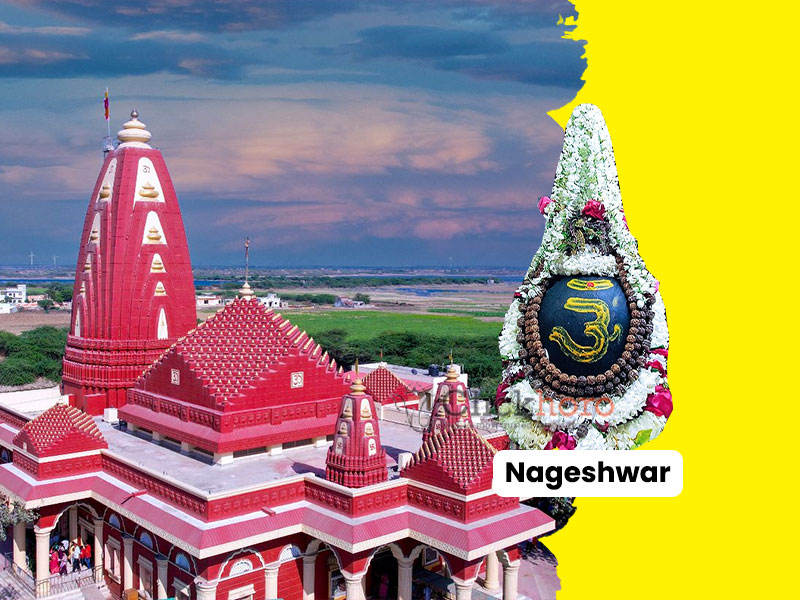
The Nageshwar Jyotirlinga is located on the Saurashtra coast in Gujarat, India. It is situated just 17 km from the city of Dwarka. The exact location is Daarukavanam, Goriyali, Gujarat-361335.

The timings for Darshan at Nageshwar Temple are from 5:30 AM to 9:00 PM.

No cameras, mobile phones, and other electronic gadgets are not allowed inside Nageshwar Temple. Furthermore, please note that in India, for security reasons, mobile phones, cameras, and electronic gadgets are generally not permitted inside any major temple, Jyotirlinga shrine, or pilgrimage site (Dham).

0 Comments

Leave a Reply

Your email address will not be published. Required fields are marked *