Worship Asana Shudhi, Vidhi and Purification Process

Worship Asana Shudhi, Vidhi and Purification Process
| Added by: Astro Editorial Team

Significance of Asana Shudhi

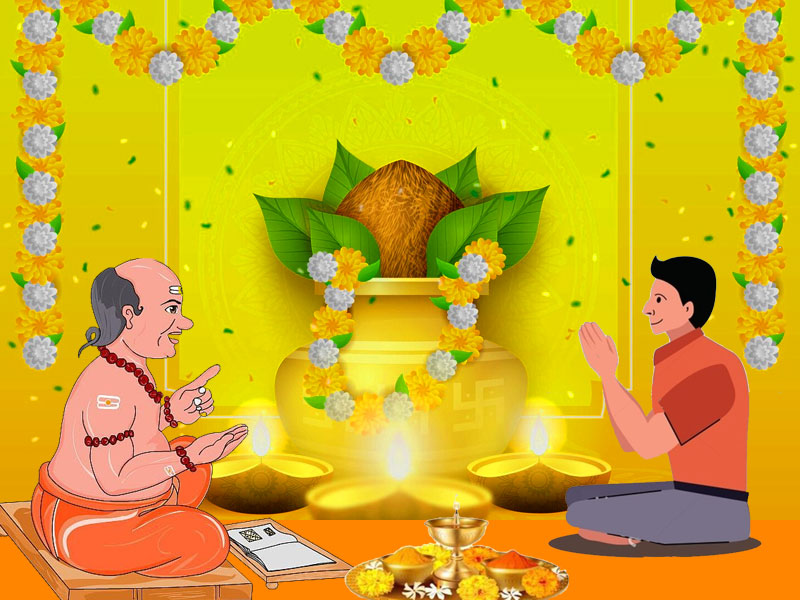
“Asana Suddhi” refers to the procedure of sanctifying the asana, according to the Vedic Mythology. From the very first, place the asana on the floor, purify the hands, and perform ordinary “Achamana” how to do it let’s discuss.

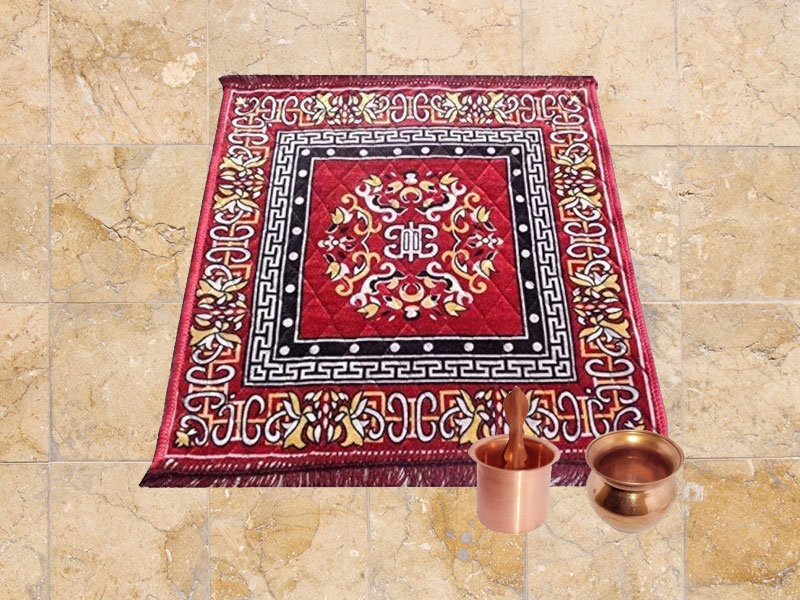
Before doing any puja, “anusthan” or mantra japa. The purification of your seating mat called Asana is mandatory. Seat on the asana mat, then fold of your Asana” a little from the right angle side and add a little water with the spoon by chanting this mantra.

Mother Earth or Bhumi Pujan or Shuddhi Pujan

After that touch your right-hand ring finger on the ground and apply on your forehead like applied sandalwood paste. It is for invoking mother Earth which is named as Bhumi Devi and Vastu Purusha to cleanse negative energies, remove defects and doshas from that place.

॥ अथः मंत्र ॥

ॐ पृथ्वि! त्वया धृता लोका देवि ! त्वं विष्णुना धृता।
त्वं च धारय मां देवि ! पवित्रां कुरु चासनम्।।

Frequent Asked Questions(FAQs)

Before starting any puja or ritual, it is necessary to do Shudhi, Bhu Shudhi, Sthana Shudhi, Antakaran Shudhi etc. have to be done. To purify your body, you have to drink water 3 times with the Aachman mantra. This is a mandatory ritual performed for the purification of mind, speech and body. And this Achaman should always be done facing east or north direction.

1) Om Keshavaya Namah,

2) Om Madhavaya Namah,

3) Om Hrishikeshaya Namah.

After this he recited this mantra.

Om Narayanay Namah

For Achamana, one should drink water in the palm of the hand while chanting the mantras of Lord Vishnu three times, such as:

1) Om Keshavay Namah

2) Om Madhavay Namah

3) Om Hrishikeshay Namah

After that, wash the hands. Take a little water and wash the hands while chanting the mantra Om Narayanaya Namah.

Sankalp, physical purity, and then daily rituals.

1) Sanchita Karma: Accumulated karma from past lives.

2) Prarabdha Karma: The portion of past karma that is currently playing out in this life.

3) Kriyamana Karma: Karma being created now and in the future.

The main difference between Puja and Aarti is that Puja is an elaborate ritual involving the ceremonial bathing of the deity's idol, followed by offerings of flowers, lamps (deep), incense (dhoop), sacred food (naivedya/bhog), and the chanting of mantras. Aarti which is an integral part of the Puja serves as the final stage of the worship; it concludes the ritual with the singing of devotional hymns (bhajans) and the lighting of a lamp (diya) fuelled by ghee, camphor, cloves, and cardamom, thereby expressing one's profound love and devotion toward the Divine.

The primary reasons for ringing bells and blowing conch shells during Puja are to purify the atmosphere, dispel negative energy, and capture the attention of the deities. Science has also validated the fact that the sound produced by the bell calms the brain and enhances mental concentration. Their melodious vibrations soothe the mind and aid in focusing one's attention.

First and foremost, it is believed that all deities both goddesses and gods are subject to the power of mantras. Mantras are chanted during Puja because the specific sound vibrations they generate soothe the mind, sharpen focus, and infuse the environment with positive energy. Furthermore, mantras serve as a medium for connecting with the divine on a spiritual plane a connection that is absolutely essential for human beings. After all, merely being born on this earth, toiling away, and accumulating money and wealth does not constitute the entirety of life. We pursue money and wealth primarily to sustain ourselves and to project an image of status or grandeur. Yet, animals, too, manage to feed themselves. So, what truly distinguishes us from them? For this very reason, it is vital to set aside some time in our lives to remember and invoke the name of God.

The primary objective of performing Aarti at the end of a Puja is to seek forgiveness from the divine, to refocus one's attention, and to dismiss any lingering negative energy. In Sanatan Dharma, a key purpose of performing Aarti is to apologize for any inadvertent errors or omissions that may have occurred during the course of the main puja ritual.

In Sanatan Dharma, a Kuldevi (Family Goddess) or Kuldevta (Family Deity) serves as the guardian and principal deity of a specific lineage, family, or Gotra (clan). She constantly works for the welfare of the family while also providing them with protection. The Kuldevi resolves every obstacle faced by the family; consequently, her worship is performed before the commencement of any auspicious ceremony or event within the home. This practice forms an integral part of a tradition that has been passed down through generations. It is worth noting that every family or lineage possesses its own unique Kuldevia fact known to some, yet unknown to others.

Women are considered to be in a state of ritual impurity called Ashuddhi during their menstrual periods; indeed, menstruation is regarded as a state of extreme ritual impurity (Ashuch) within the Hindu faith. Consequently, during menstruation, engaging in any form of worship (Puja), participating in religious rituals, or visiting a temple is strictly prohibited.

Pradakshina is also referred to as Parikrama. It is a Sanskrit term denoting the act of circumambulating that is, walking in a clockwise direction around a sacred site, temple, idol, or object of veneration. Performing Parikrama infuses both the body and the mind with positivity. This ritual is performed to express the sentiment that God occupies the very center of our existence, and that our lives revolve entirely around  divine.

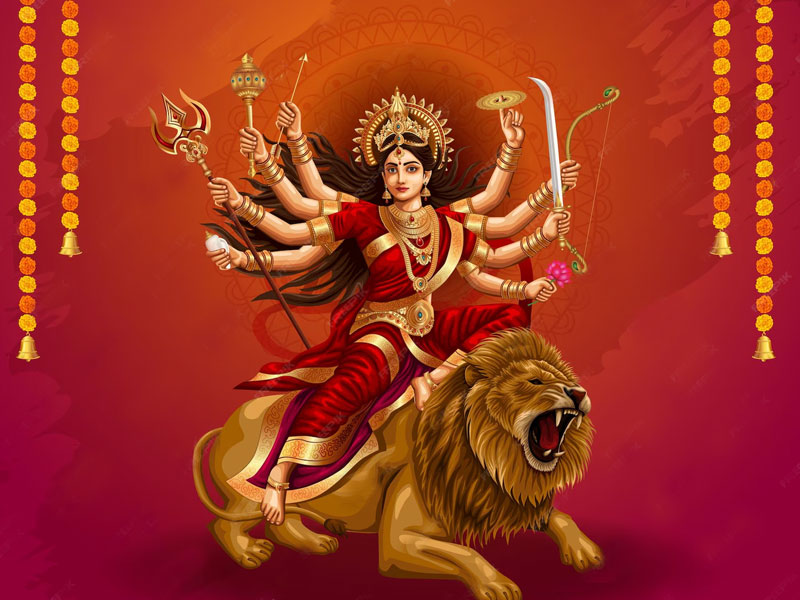
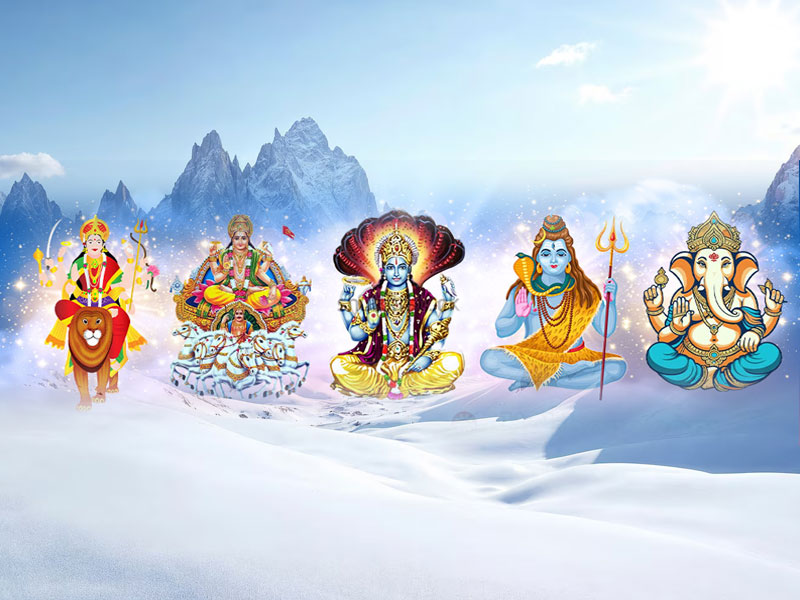
According to Sanatan Dharma, the Pancha Devas we revere are Ganesha, Vishnu, Shiva, Durga, and Surya. Invoking the names of these five deities is essential because, within Sanatan Dharma, it is considered the most excellent method for expressing gratitude towards the Supreme Power and for acknowledging the cosmic balance and the five fundamental elements: Space, Air, Fire, Water, and Earth.

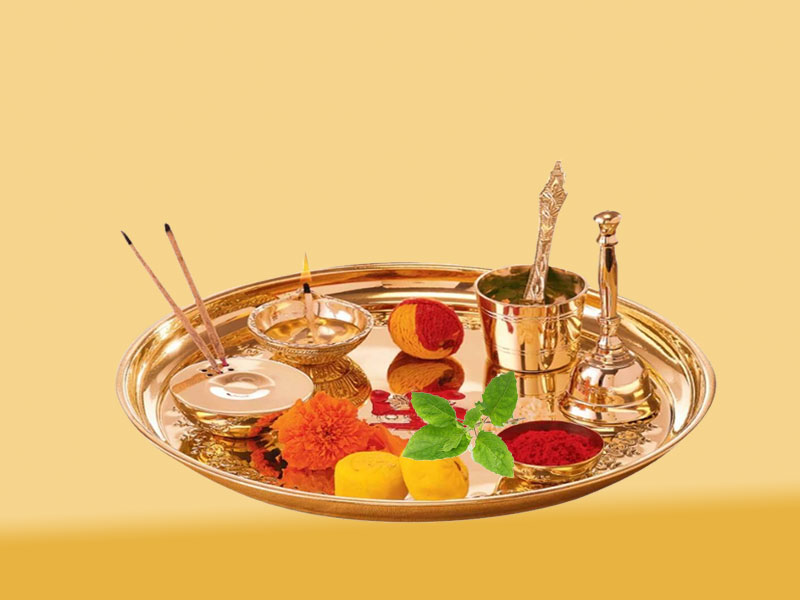
You may place whatever you wish in your Puja Thali, in accordance with your personal devotion and preference. However, it is essential to include at least the following items: a Deepak (lamp), Dhoop (incense), Chandan (sandalwood paste), Haldi (turmeric), Roli (vermilion powder), flowers, Naivedya (sacred food offering), and Dakshina (monetary offering).

Absolutely not. It is by no means necessary to be a Pandit or Brahmin to perform a Puja. In Hinduism, any individual regardless of their caste or gender is free to worship, offer prayers, and chant mantras to God within the sanctity of their own home. People often engage a Brahmin or Pandit because they are well-versed in the specific rituals and procedures for every type of Puja. However, if you are familiar with the proper rituals and procedures yourself, you are equally capable of performing the Puja.

The mantra "?(Omm)" is considered the shortest and most powerful mantra.

Performing Puja on a daily basis brings peace to the mind and alleviates mental stress. It fosters the circulation of positive energy both within oneself and throughout the home. Consequently, an individual's positive vibrations become significantly strengthened. Furthermore, visiting a temple or performing Puja daily cultivates a profound sense of surrender and gratitude towards the Divine.

Chanting mantras without a Guru is not considered ideal. After all, what does the term Guru signify? It refers to an experienced expert within a specific discipline or field. Therefore, when an experienced guide mentors a newcomer, the latter can attain Siddhi (spiritual accomplishment) in their Sadhana (spiritual practice) in a significantly shorter period of time.

In Sanatan Dharma, the performance of rituals and entry into temples are considered prohibited during the Sutak period, as the mind and the surrounding environment become tainted by the impurity and negative energy generated within the home due to a birth or a death. This period is not intended for the worship of God; rather, it is dedicated to peace, mourning, and rest.

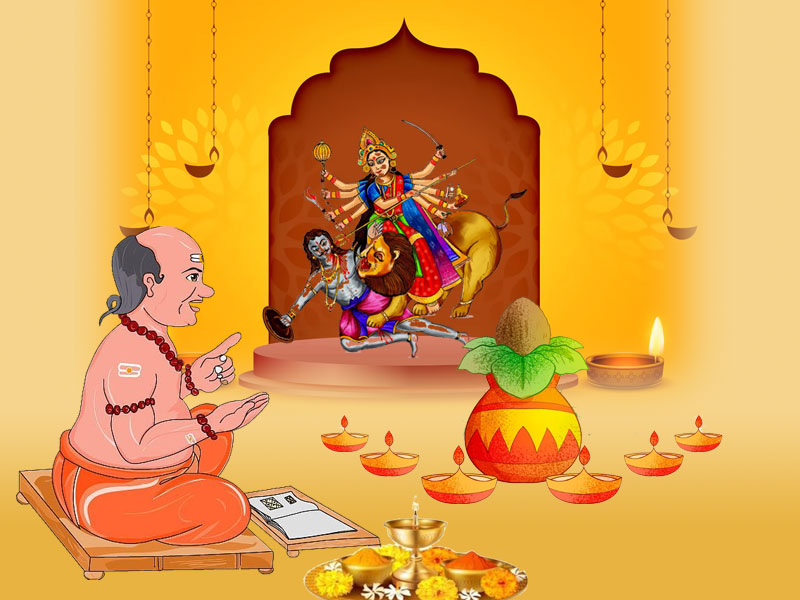
Generally, there are three types of puja.

1) Nitya Puja: Daily puja is performed on regular basis at the home temple and in temples. Water, incense, lamps, flowers, and naivedya are offered to the deity in the morning and evening.

2) 2) Naimittik Puja: Performed on special occasions, festivals, or changes of season. Examples: Navratri, Ganesh Chaturthi, Shivratri, Janmashtami, or any auspicious event at home, such as a fast, marriage ceremony, griha pravesh ceremony, etc.

3) Kamya Puja: Performed voluntarily to fulfil a specific wish, such as a job, business, wealth, or relief from illness.

In Hinduism, 'gotra' is an ancestral identification system that traces a person's original ancestor or sage. The primary purpose of the gotra system is to identify people of the same lineage or blood group, to maintain blood purity and prevent marriage within the same gotra. This is why marriage within the same gotra is considered taboo.

There is a total of 8 original gotras, such as the following:

  • Gautama
  • Bharadwaj
  • Vishwamitra
  • Jamadagni
  • Vashista
  • Kashyapa
  • Atri
  • Agastya

Following this, there are also some varna-based gotras, such as: 1) Brahmin gotra, 2) Community or caste-based gotra, 3) Adivasi or Koola gotra.

There is total 33 types or called 33 koti gods in Hinduism. They are like following:

12 Adityas+8 Vasus+11 Rudras+2 Ashvins= 33 Gods.

12 Adityas

1) Vishnu, 1) Indra, 3) Aryaman 4) Bhaga, 5) Daksha, 6) Tvashtra, 7) Mitra, 8) Pushan, 9) Savitra / Parjanya 10) Surya / Vivasvan 11) Varuna, 12) Amsa.

8 Vasus

1) Agni, 2) Prithvi, 3) Vayu, 4) Antariksha/Dyaus, 5) Aditya (Sun), 6) Nakshatra, 7) Soma, 8) Varuna.

11 Rudras

Prana, Apana, Vyana, Udana, Samana, Isana, Tatpurusha, Aghora, Vamadeva, Sadyojata, and Atma.

2 Ashvins

Nasatya, Dasra.

Before performing any worship, Lord Ganesha is invoked, whether it is a ritual, temple worship, or fast. Because no worship is successful without Ganesha worship.

Example; Have you invoked any deity? with some flowers in my hand and a few drops of water, and chant the following mantra:

Mantra:

Omm Sri Narayanam Ahwami,
“Om Sri Narayanam Ihaagacchha iha tishtha, mama pujaam gruhana.

This is how the Visharjan of any deity appears, oh best one! O God! My society is the society where you started worshiping me and you are putting me to shame. Now I request you to return to your world. We have completed your puja and we have given you Ashirwad and please come again in the next puja.

Kshama Yachna Mantra

"Om Gachch Gachch Surashrestha Svasthane Parmeswara. Worship-Worship "Kale punaragamanaya cha."

Dharma, Artha, Kama and Moksha these four are considered the main pillars of life in Hinduism.

0 Comments

Leave a Reply

Your email address will not be published. Required fields are marked *